 listicle
7 Best Single-Origin Coffee for Beginners
Table of Contents
- What Is Single-Origin Coffee
- Quick Comparison: 7 Single-Origin Coffees at a Glance
- 1. Brazil Santos: Smooth and Approachable
- 2. Colombia: The Balanced Gateway Coffee
- 3. Costa Rica: Sweet and Fruity Notes
- 4. Ethiopia Natural: Fruity and Floral
- 5. Guatemala: Bold Chocolate and Fruit
- 6. Peru: Caramel and Citrus Balance
- Understanding Single-Origin Coffee Flavor Profiles
- How to Choose Your First Single-Origin Coffee
- The Role of Roast Level in Single-Origin Flavor
- Building Your Single-Origin Coffee Collection
- Frequently Asked Questions
Last Updated: October 14, 2026
What Is Single-Origin Coffee
Single-origin coffee comes from one specific region, farm, or harvest rather than a blend of beans from multiple sources. That clarity of origin gives it its distinctive character.
Coffee grown at different altitudes, in different soils, and under different processing methods develops unique flavor profiles. A bean from one region tastes nothing like a bean from another, even if both are medium roasts.
When you choose single-origin coffee, you're not getting a generic "medium roast." You're getting a specific story: the altitude where it grew, the processing method, and the region's climate and soil.
Quick Comparison: 7 Single-Origin Coffees at a Glance
| Coffee | Origin | Roast Level | Flavor Profile | Price | Best For |
|---|---|---|---|---|---|
| Brazil Santos | Parana & Sao Paulo | Medium | Smooth, cocoa, elegant | $23.99 | Approachable starting point |
| Colombia | Medellin, Antioquia | Medium | Dried orange, berry, chocolate | $23.99 | Balanced gateway coffee |
| Costa Rica | Alajuela | Medium | Sweet apple, raisin, honey | $23.99 | Sweet, fruity exploration |
| Ethiopia Natural | Sidama Zone | Med-light | Milk chocolate, fruity, caramel | $23.99 | Floral and fruity discovery |
| Guatemala | Antigua | Medium | Dark chocolate, bright fruit, butterscotch | $23.99 | Bold, complex flavors |
| Peru | Piura & Amazonas | Medium | Salted caramel, silky sweet, citrus | $23.99 | Balanced sweetness with brightness |
| Nicaragua | Molino Norte, Matagalpa | Medium | Cocoa, floral, citrus | $23.99 | Approachable with character |
1. Brazil Santos: Smooth and Approachable
Brazil Santos is the ideal entry point for beginners exploring single-origin coffee: smooth, elegant, and forgiving, with no sharp edges. It works beautifully in a drip machine, French press, or espresso setup.

The beans come from Parana and Sao Paulo, grown on volcanic loam at 750-1050 meters.
First-time single-origin drinkers often worry they'll taste something unfamiliar. Brazil Santos eliminates that anxiety: the cocoa notes are recognizable without training, yet distinct enough to feel like a genuine upgrade from supermarket blends.
Brew with water at 195-205°F for 4 minutes in a French press or 3-4 minutes in a drip machine. The result is a smooth, rich cup that tastes consistent every time.
Brazil Santos at theITDGroup LLC is $23.99 and roasted to order, ensuring maximum freshness when it arrives at your door.
2. Colombia: The Balanced Gateway Coffee
Colombia is the sweet spot between approachability and complexity, a reliable choice for generations because it delivers balance: brightness, sweetness, and a hint of chocolate in one cup.

Beans come from smallholder farmers in Medellin, Antioquia, grown on volcanic loam at 1300-1500 meters.
Colombian coffee's balance is almost mathematical: not too acidic, not too heavy, with enough character to feel like a real single-origin experience.
The acidity is bright and pleasant, the body medium, and the sweetness natural without being cloying, so it works across brewing methods and with or without milk.
Brew with water at 195-205°F for 3-4 minutes in a drip machine or 4 minutes in a French press.
Colombia from theITDGroup LLC is $23.99 and represents the most accessible entry into single-origin exploration.
3. Costa Rica: Sweet and Fruity Notes
Costa Rica shifts the conversation toward sweetness and fruit.
Beans come from micro farms in Alajuela, grown on volcanic loam at 1300-1445 meters. Eco-pulped, sun-dried processing produces sweet apple, raisin, and honey notes that are present and recognizable, not subtle.
The sweetness is natural, not added: it comes from the coffee itself, from altitude and processing.
The body is medium, like Colombian, but the acidity is brighter and the sweetness more pronounced, making it ideal for cold brew or iced coffee.
Brew hot for 3-4 minutes in a drip machine to bring out the apple and honey notes. For iced coffee, use a 1:4 coffee-to-water ratio and steep 12-24 hours in the refrigerator.
Costa Rica from theITDGroup LLC is $23.99 and opens the door to understanding how processing and altitude shape flavor.
4. Ethiopia Natural: Fruity and Floral
Ethiopia Natural is a significant departure from the previous three, where single-origin coffee starts to feel genuinely adventurous.

Beans come from smallholder farmers in the Sidama Zone, grown at 1700-1900 meters on nitisol soil.
Ethiopian coffee is traditionally floral and fruity, and this natural-processed version leans heavily into those notes.
The medium-light roast preserves origin characteristics better than a darker roast would, so the fruitiness comes through clearly alongside milk chocolate and caramel, with balanced, non-aggressive acidity.
Brew with water at 195-200°F for 3-4 minutes in a drip machine. Use filtered water if possible, since chlorine and minerals can mask the delicate fruit notes.
Ethiopia Natural from theITDGroup LLC is $23.99 and marks the moment when single-origin coffee becomes genuinely complex.
5. Guatemala: Bold Chocolate and Fruit
Guatemala brings boldness back. While Ethiopia Natural was delicate and complex, Guatemalan coffee is direct and confident: dark chocolate, bright fruit, and butterscotch in a substantial, satisfying cup.
Beans come from smallholder farmers in Antigua, grown on volcanic loam at 1200-1616 meters.
It's less acidic than Colombian or Costa Rican coffee, so it feels heavier and richer.
It works exceptionally well for espresso or milk-based drinks: the body and chocolate notes cut through milk, and the brightness keeps the cup from going flat.
Brew with water at 200-205°F for 3-4 minutes in a drip machine. For espresso, aim for a 25-30 second pull to extract chocolate and fruit without bitterness.
Guatemala from theITDGroup LLC is $23.99 and represents the bold end of the beginner-friendly spectrum.
6. Peru: Caramel and Citrus Balance
Peru closes the journey by balancing sweetness, brightness, and body. Salted caramel, silky sweetness, and citrus notes create a cup that feels complete.
Beans come from the Cooperativa Agricola de Servicios Norandino, grown at 1100-1700 meters across Piura and Amazonas.
Peruvian coffee sits between Guatemala's boldness and Colombia's balance: pronounced caramel sweetness, citrus brightness, and a medium-to-full body.
The silky texture comes from the processing method and altitude: smooth and clean, not thin or watery, with sweetness that lingers after you swallow.
Brew Peruvian coffee with water at 200-205°F for 3-4 minutes in a drip machine.
Peru from theITDGroup LLC is $23.99 and serves as an excellent reference point for understanding how altitude and processing shape flavor.
Understanding Single-Origin Coffee Flavor Profiles
Flavor profiles in single-origin coffee come from three factors: altitude, processing method, and regional climate. Understanding them helps you predict what a coffee will taste like before you brew.
Altitude determines how quickly coffee cherries ripen.
Processing method changes how much fruit flavor carries into the cup. Washed coffees are cleaner and brighter, natural-processed coffees fruitier and more complex, and pulped natural coffees split the difference.
Regional climate affects soil composition, rainfall, temperature swings, and pest pressure, which influence which flavor compounds develop in the bean.
Tasting notes like "dried orange" or "milk chocolate" describe actual flavor compounds in the coffee, not additives. Recognizing them takes practice, but it gets easier as you taste more single-origin coffees.
How to Choose Your First Single-Origin Coffee
Start with what you already like: Brazil Santos for smooth, approachable flavors; Colombia for balance and brightness; Costa Rica or Ethiopia Natural if you want something noticeably different.
Brew each coffee the same way, in a drip machine or French press at 195-205°F for 3-4 minutes, so you taste the coffee rather than the brewing method.
Buy whole beans and grind immediately before brewing; pre-ground coffee loses flavor within hours. Whole beans stay fresh 2-3 weeks after roasting, so order only what you'll drink in that time.
Store beans in an airtight container away from light, heat, and moisture. Don't refrigerate or freeze them, since temperature fluctuations and moisture damage flavor. A cool, dark cabinet works perfectly.
The Role of Roast Level in Single-Origin Flavor
Roast level determines how much of the bean's origin you taste versus roasting flavor. Light roasts emphasize origin, dark roasts emphasize roast flavor, and medium roasts balance both.
For beginners, medium roasts are ideal: enough origin character to be interesting, forgiving enough that slight brewing variations don't ruin the cup.
Light roasts preserve more acidity and complexity but can taste thin or sour without careful temperature and timing.
Understanding roast level helps you predict flavor and choose complementary brewing methods: light roasts need precise temperature, dark roasts are forgiving, and medium roasts work across methods.
Building Your Single-Origin Coffee Collection
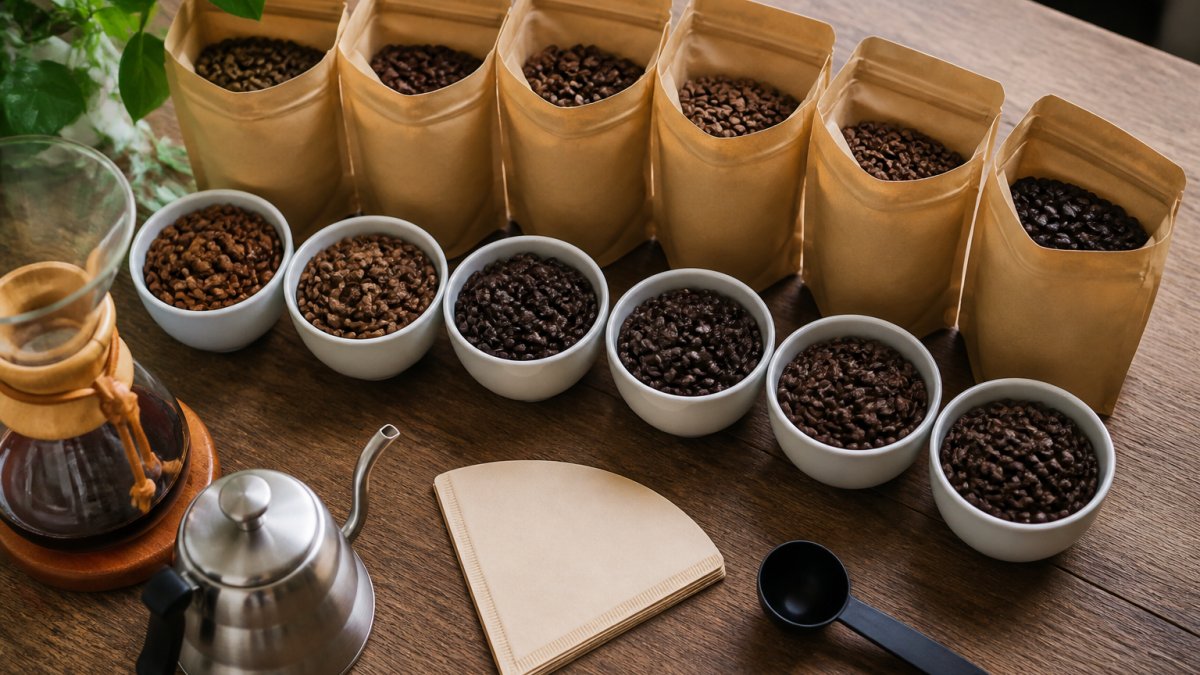
Start with two contrasting origins: Brazil Santos with Ethiopia Natural, or Colombia with Guatemala. Tasting how different origins differ accelerates your learning.
Then add a third that fills a gap: if you've tasted smooth and fruity, try bright and citrusy; if bold and chocolate-forward, try balanced and sweet.
Rotate through your collection rather than finishing one bag at a time. Drink the same coffee 3-4 days, switch origins, then return a week later to keep your palate fresh.
Keep notes on each coffee: origin, roast level, brewing method, and flavors noticed. Over time they become a personal reference guide for choosing new coffees.
Choosing your first single-origin coffees doesn't require expertise or expensive equipment, just curiosity and careful tasting.
Frequently Asked Questions
What is single-origin coffee?
Single-origin coffee comes from one specific region or farm, rather than a blend of beans from multiple origins. This means you taste the unique characteristics of that exact location, including its altitude, soil, climate, and processing method. For beginners, single-origin coffees offer a clear way to explore how geography shapes flavor. Each origin produces distinct profiles: Colombian beans tend toward balanced chocolate and fruit, while Ethiopian beans often deliver fruity, floral notes. Starting with single-origin options helps you discover which regions and flavor profiles you prefer before exploring blends.
Is single-origin coffee good for beginners?
Yes. Single-origin coffees are excellent for beginners because each one has a clear flavor identity tied to its region. Rather than guessing what you're tasting in a blend, you can focus on one origin's story: where it grew, how it was processed, and what that means for your cup. Approachable origins like Colombia, Brazil, and Costa Rica offer balanced, mild flavors that aren't overwhelming. Medium roasts, the standard for most beginner-friendly single-origins, preserve the bean's origin character without bitter or overly complex notes. This makes single-origin coffees the ideal starting point for learning what you actually like.
Which single-origin coffee has the mildest flavor?
Brazil Santos delivers one of the mildest, most approachable single-origin profiles. Its medium roast and pulped natural processing create an elegant, smooth cup with gentle cocoa notes. Colombia is equally beginner-friendly, offering balanced acidity and sweetness without sharp edges. Costa Rica's sweet apple and honey notes are also very mild and inviting. If you prefer lighter roasts, Ethiopia Natural's med-light roast is still accessible, its fruity, caramel character is bright but not intense. Start with Brazil or Colombia if you want the gentlest introduction to single-origin coffee.
How should beginners taste and describe single-origin coffee?
Start simple: notice the aroma first, then take a small sip and hold it in your mouth for a moment. Ask yourself: Is it smooth or sharp? Sweet or bitter? Does it remind you of chocolate, fruit, nuts, or caramel? You don't need fancy language. If Brazil Santos tastes like cocoa to you, that's accurate. If Costa Rica reminds you of honey, you're tasting correctly. Compare two origins side by side, this makes differences obvious. Keep notes of what you like, then choose your next coffee based on those preferences. Over time, you'll naturally develop a sense of what roast level, acidity, and body appeal to you.
What brewing method is best for single-origin coffee?
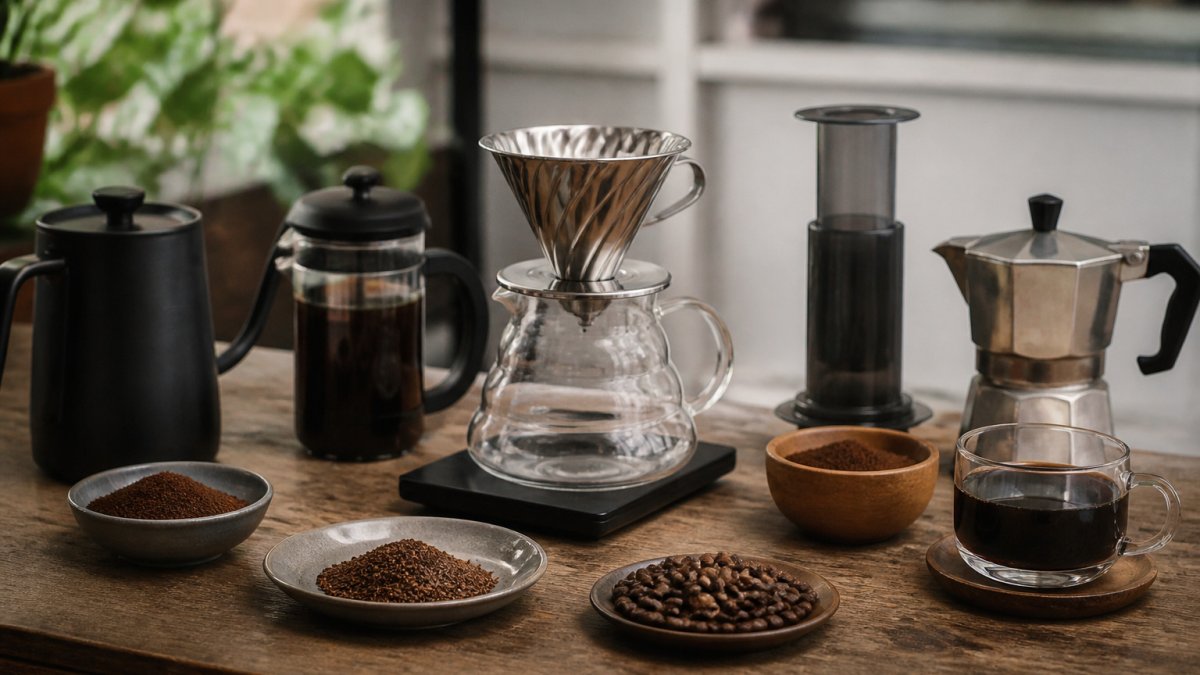
Pour-over methods like Chemex or V60, French press, and AeroPress all work well for single-origin coffee because they let the bean's unique flavors shine through. For beginners, a standard drip coffee maker is perfectly fine and forgiving. The key is using fresh beans, grinding just before brewing, and using water between 195-205°F. Single-origin coffees deserve attention to these basics because the flavor clarity you're paying for depends on proper brewing. If you're trying a new origin, start with your regular brewing method, once you know what you like, experiment with different techniques to see how they change the same bean's profile.