 listicle
Best Blue Bottle Alternatives 2026: Top Coffee Picks
Table of Contents
- Why Look for Blue Bottle Alternatives in 2026
- How to Choose a Coffee Subscription Service That Fits Your Routine
- Best Specialty Coffee Roasters 2026: What Sets Them Apart
- Top Blue Bottle Alternatives: Beans, Blends, and Single-Origins
- Price-Per-Ounce Comparison: Getting the Most Value
- How to Store Coffee Beans for Maximum Flavor
- Cancellation, Flexibility, and Delivery: What to Expect
- Conclusion
- Frequently Asked Questions
Last Updated: September 25, 2026
Why Look for Blue Bottle Alternatives in 2026
Anyone hunting for the best Blue Bottle alternatives 2026 has a real problem: you want café-grade beans delivered fresh, but you don't want to pay boutique prices for a bag that sat on a shelf for weeks. This guide from theITDGroup LLC breaks down what actually matters when you switch roasters, from roast date to price per ounce.
Here's the core tension. Most subscription brands sell convenience; very few sell freshness you can verify. A roast-to-order model changes that math. Instead of guessing how long a bag has been warehoused, you order beans that get roasted after you click buy.
Below, we'll walk through how to choose a roaster, compare roast profiles, and show you exactly where the value sits in a bag of coffee.
How to Choose a Coffee Subscription Service That Fits Your Routine
Learning how to choose a coffee subscription service comes down to four questions: how often do you drink coffee, what brewing method do you use, how much do you want to spend per ounce, and how flexible is the plan? Answer honestly, because a plan built for a twice-daily espresso drinker will overwhelm someone who brews one pour-over on weekends.
Here is the decision framework most buyers skip, and it is the one that actually prevents wasted money.
Step 1: Calculate your monthly bean usage. A standard 12-ounce bag of whole bean coffee yields roughly 16 to 20 single-cup brews at a 0.7-ounce dose, or about 10 to 12 double-shot espresso drinks at an 18-gram dose. If you drink two cups a day, you are burning through roughly two 12-ounce bags a month. That number, not the subscription's default frequency, should set your shipping cadence.
Step 2: Match roast level to brew method. Light and medium-light roasts preserve the acidity and floral aromatics that shine in pour-over and drip. Medium roasts are the most forgiving across methods. Dark roasts build the body and caramelized sweetness that hold up under espresso pressure and milk.
- Volume: Estimate weekly bean usage, then set shipping frequency to match.
- Brewing method: Espresso, drip, and cold brew each favor different roast levels and grind sizes.
- Budget: Compare price per ounce and price per cup, not the sticker price per bag.
- Flexibility: Confirm pause, skip, and cancel terms in writing before your first order.
Best Specialty Coffee Roasters 2026: What Sets Them Apart
The best specialty coffee roasters 2026 share three traits: transparent sourcing, a stated roast date, and a range of roast levels that covers both espresso and drip.
Top Blue Bottle Alternatives: Beans, Blends, and Single-Origins
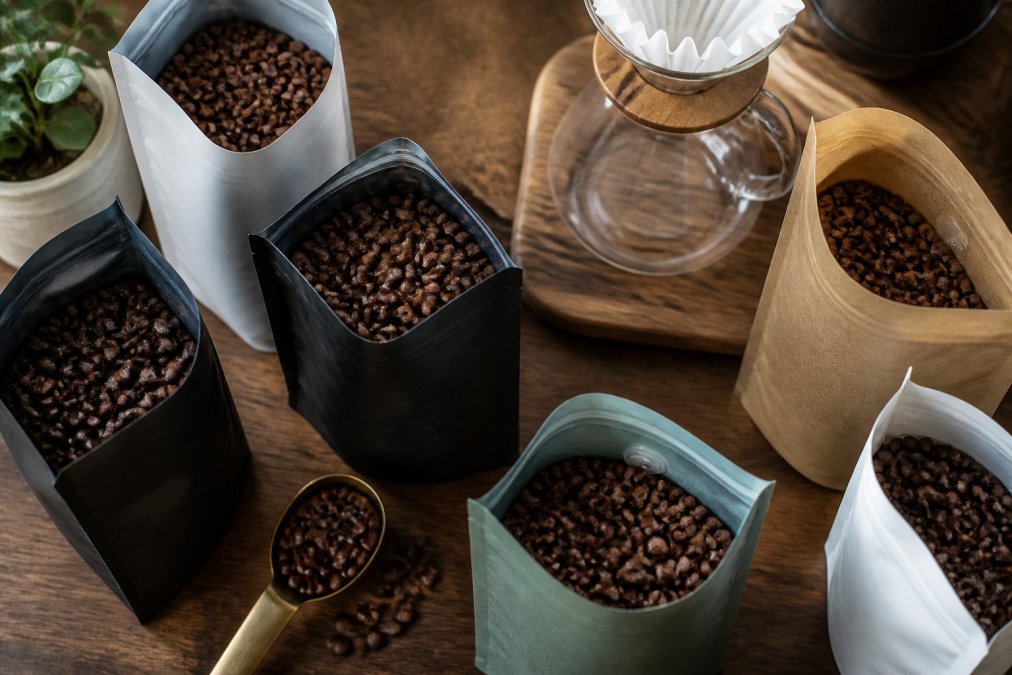
The strongest Blue Bottle alternatives in 2026 are roasters that roast to order and publish real tasting notes. Here are four standout options from theITDGroup LLC, each built for a different brewing style.
House Blend: The Everyday Medium Roast
The House Blend is a medium roast combining select coffees from Central and South America. It's smooth, clean, and consistent, with a medium body and tasting notes of nutty, sweet chocolate, and mild citrus. Both natural and washed processing methods are used, which the brand notes are friendlier to the environment and the high-elevation growing regions. If you want one bag that works for drip every morning, start here. Shop the House Blend

Ethiopia Natural: Fruity and Floral Single-Origin
This single-origin comes from smallholder farmers in Ethiopia's Sidama zone, grown at 1,700-1,900 meters on nitisol soil. It's a medium-light roast with a full natural process, hand-sorted and dried on raised beds. The tasting profile leans milk chocolate, fruity, and caramel. Best for pour-over drinkers who want acidity and aroma. Try Ethiopia Natural

6 Bean Blend: Dark Roast for Espresso Lovers
A dark roast house blend drawing coffee from around the world, the 6 Bean Blend is built for espresso. It delivers the body and intensity that milk drinks and straight shots need. Explore the 6 Bean Blend

Whiskey Barrel Aged: A Unique Bourbon-Barrel Treat
A single-origin Guatemalan coffee aged 30 days in a bourbon barrel, then roasted to order. It's the most distinctive option in the lineup and a good gift pick. See the Whiskey Barrel Aged
Price-Per-Ounce Comparison: Getting the Most Value
Price per ounce is the honest way to compare coffee subscriptions, and it is the metric most buyers skip. A cheaper bag that weighs less can cost more per cup than a slightly pricier one. This is the section most competitor listicles leave out, because a flat price table hides the real cost of your morning coffee.
| Product | Roast Level | Best For | Price | Price Per Ounce | Approx. Cups Per Bag | Approx. Cost Per Cup |
|---|---|---|---|---|---|---|
| House Blend | Medium | Drip, everyday | $23.99 | ~$2.00/oz (12 oz) | ~17 | ~$1.41 |
| Ethiopia Natural | Medium-light | Pour-over, single-origin | $23.99 | ~$2.00/oz (12 oz) | ~17 | ~$1.41 |
| 6 Bean Blend | Dark | Espresso | $23.99 | ~$2.00/oz (12 oz) | ~17 | ~$1.41 |
| Whiskey Barrel Aged | Roasted to order | Gifting, unique flavor | $23.99 | ~$2.00/oz (12 oz) | ~17 | ~$1.41 |
| Best Sellers Sample Pack | Mixed | Trying before buying | $24.99 | ~$2.08/oz (12 oz total) | ~17 | ~$1.47 |
The Flexibility Question Competitors Skip
Value is not only price. It is also how easily you can stop paying. Most subscription reviews focus entirely on quality and never mention the friction of canceling or pausing, which is a major pain point for buyers.
Before you commit to any roaster, confirm three things:
- Pause and skip: Can you hold a shipment when you travel, without a fee?
- Cancellation: Can you cancel online, or does it require a phone call or email during business hours?
- Auto-renewal: Does the plan renew at the same price, or does an introductory rate expire?
How to Store Coffee Beans for Maximum Flavor
Knowing how to store coffee beans for maximum flavor protects the money you just spent. The rules are simple: keep beans whole, keep them sealed, and keep them away from light, heat, moisture, and air.
- Store in an opaque, airtight container at room temperature.
- Keep the bag sealed and squeeze out excess air after each use.
- Grind right before brewing, since ground coffee stales far faster than whole bean.
- Avoid the refrigerator; moisture and odors migrate into the beans.
- Skip the freezer unless you're storing a large batch long-term in a vacuum-sealed bag.
Cancellation, Flexibility, and Delivery: What to Expect
Flexibility is where subscription brands quietly differ, and it's worth checking before you commit. Look for plans that let you pause, skip a shipment, or cancel without a fee or a phone call.
Conclusion
Switching roasters is really a test of trust: will the beans arrive fresh, taste like the description, and fit how you actually brew? That's the bar the best Blue Bottle alternatives 2026 should clear, and it's the bar theITDGroup LLC builds around.
Frequently Asked Questions
What are the best specialty coffee roasters similar to Blue Bottle?
The best alternatives focus on fresh roasting and transparent sourcing. Look for roasters that list roast dates, provide detailed tasting notes, and offer single-origin options. For example, theITDGroup LLC roasts to order and provides specific origin details like Ethiopia Natural from the Sidama Zone. When evaluating options, compare price per ounce, shipping speed, and whether you can buy one-time or subscribe flexibly.
How do I choose a coffee subscription service that matches my taste?
Start by identifying your preferred roast level and flavor profile. If you like bright, fruity notes, try a medium-light single-origin like Kenya or Tanzania. For darker, chocolatey flavors, a dark roast blend works well. Next, check the subscription model: does it let you pause, skip, or cancel easily? Also review shipping frequency and whether the roaster provides tasting notes. Sample packs are a low-risk way to test before committing.
Is it better to buy coffee beans from a subscription or a local roaster?
Both have advantages. Local roasters offer immediate freshness and the ability to smell before buying. Subscriptions provide access to a wider range of origins and convenience, especially if you travel or have a busy schedule. The key is roast date: beans are best within 2-4 weeks of roasting. If a subscription ships within days of roasting and offers flexible delivery, it can match or exceed local freshness for many households.
What factors determine the freshness of coffee beans ordered online?
Roast date is the single most important factor. Beans should be roasted within days of shipping, not weeks. Packaging matters too: one-way degassing valves and opaque bags protect against oxygen and light. Shipping speed also plays a role; faster delivery means less time in transit. Finally, whole beans stay fresh longer than pre-ground. Always check if the roaster prints the roast date on the bag.
Are there more affordable alternatives to premium coffee brands?
Yes. Many specialty roasters offer comparable quality at lower prices, especially when you compare price per ounce. For instance, theITDGroup LLC sells 12-ounce bags for $23.99, which works out to about $2 per ounce. Some premium brands charge significantly more. To save, consider a sample pack first, choose a subscription with free shipping, and avoid single-serve pods which cost more per cup.