 blog
blog
Best Coffee Beans for Home Espresso: 2026 Guide
Table of Contents
- What Makes a Good Espresso Bean
- Espresso Roast vs Coffee Roast: What Actually Changes
- Single Origin vs Blends for Home Espresso
- How to Dial In Espresso Beans for Your Machine
- Troubleshooting Extraction Issues by Bean Type
- Best Coffee Bean Storage Containers and Freshness Tips
- Subscription vs Retail: Which Bean Buying Path Fits You
- Frequently Asked Questions
Last Updated: September 17, 2026
What Makes a Good Espresso Bean
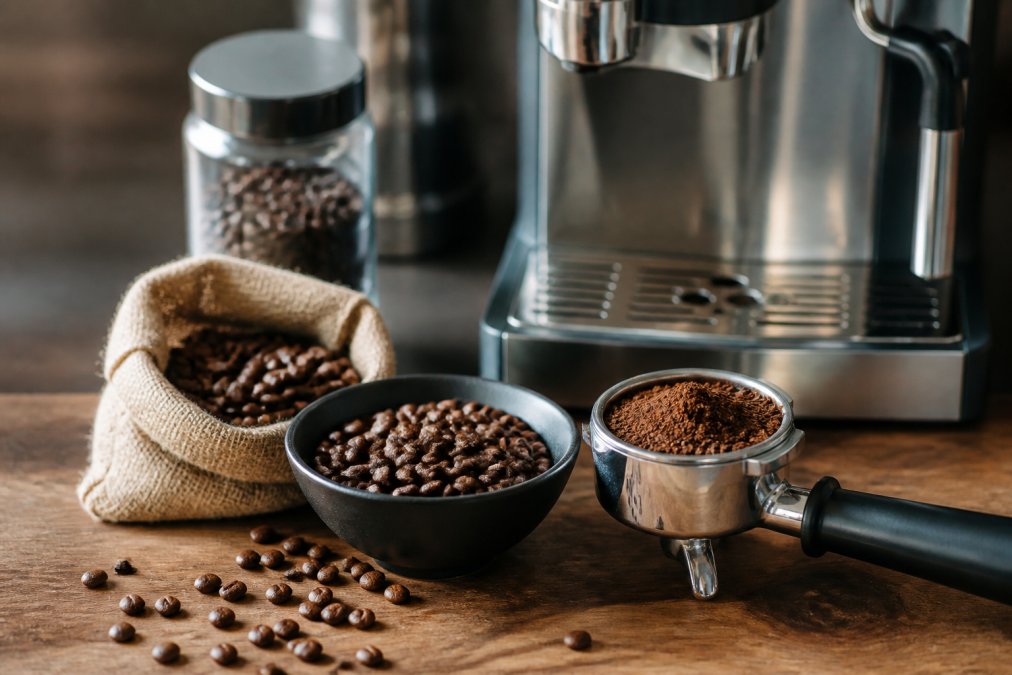
The best coffee beans for home espresso share four traits: recent roast dates, a roast profile built for pressure extraction, enough natural sweetness to survive a concentrated shot, and consistent bean size for even grinding. Freshness matters most, yet it is the factor most home baristas overlook.
Freshness, Roast Date, and Degassing
Degassing is the release of carbon dioxide trapped inside beans during roasting, and it directly affects how a shot pulls. Beans roasted three to seven days ago still hold enough CO2 to resist water, causing gushing and uneven extraction. Beans rested past three weeks taste flat.
Espresso Roast vs Coffee Roast: What Actually Changes
Espresso roast and filter roast differ mainly in development time and heat application, not secret technique. Espresso roasts are typically developed longer and sometimes darker so the coffee dissolves well under nine bars of pressure and holds up against milk.
Light, Medium, and Dark Roast Flavor Profiles
- Light roast: higher acidity, brighter fruit and floral notes, more flavor clarity, but harder to dial in and less forgiving of grind errors
- Medium roast: balanced sweetness with notes of caramel and chocolate, the easiest starting point for most home setups
- Dark roast: lower acidity, heavier body, notes of dark chocolate and nuttiness, more soluble and more forgiving, though it can taste ashy if overdeveloped
If you are new to a machine, start medium. It gives you the widest margin for error while you learn.
Single Origin vs Blends for Home Espresso
Single origin espresso highlights one farm or region and offers the clearest flavor expression. Blends combine two or more coffees for balance, consistency, and a profile that stays stable batch after batch.
| Factor | Single Origin | Blend |
|---|---|---|
| Flavor | Distinct, seasonal, sometimes wild | Balanced, predictable |
| Consistency | Varies by harvest | Stable year-round |
| Dialing in | Less forgiving | More forgiving |
| Best for | Experimenters | Daily routine drinkers |
How to Dial In Espresso Beans for Your Machine
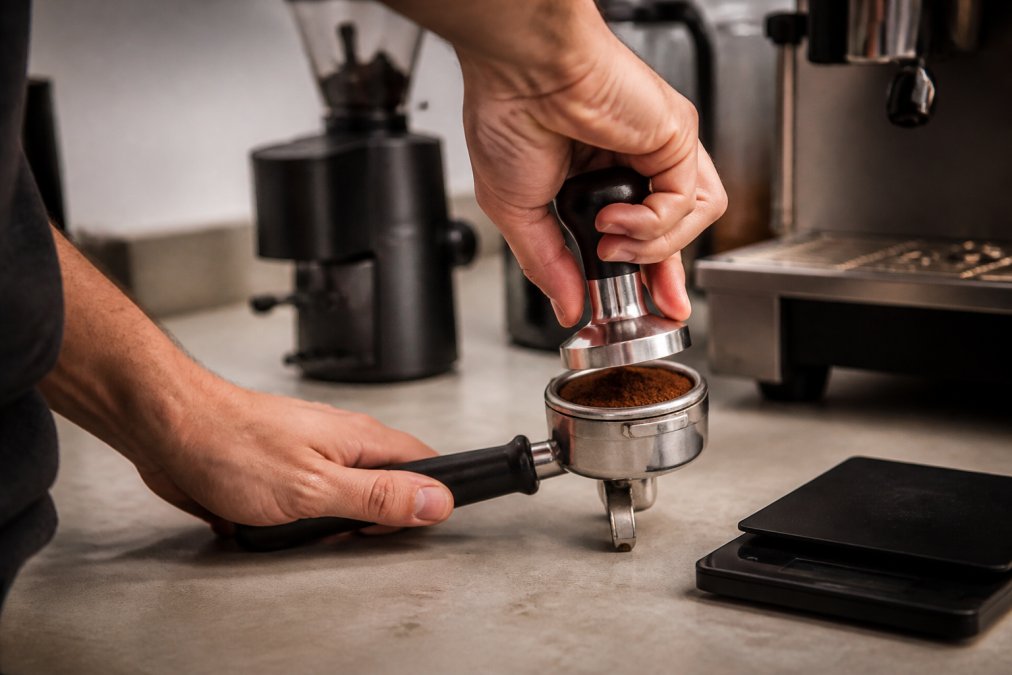
Dialing in means adjusting grind size, dose, and yield until a shot tastes balanced rather than sour or bitter. Every new bag needs this, even the same coffee you bought last month. The right starting point depends on two things most guides skip: your machine's basket type and the density of the bean in front of you.
Match the Bean to Your Machine, Not the Other Way Around
Home espresso machines fall into two broad classes, and they want different beans.
- Pressurized (dual-wall) basket machines, common on entry-level pump machines, force the shot through a small calibrated hole rather than the coffee puck. Because the basket, not the grind, creates most of the resistance, these machines forgive stale or pre-ground coffee and reward darker, more soluble roasts. A light, dense, high-altitude washed bean will taste thin and sour here no matter how fine you grind, because the basket never lets you build real pressure against the puck. Buy medium-to-dark roasts with visible oil sheen and skip single-origin light roasts.
- Non-pressurized (single-wall) baskets, found on prosumer machines and anything with a commercial-style group head, including E61-style groups, rely entirely on the puck for resistance. These reward fresh beans, a capable burr grinder, and a roast that dissolves predictably. Light roasts are viable but demand finer grind, higher brew temperature, and longer ratios.
A Starting Recipe by Roast Level
Start with a 1:2 brew ratio, 18 grams in, about 36 grams out, and a shot time of 25 to 30 seconds. Then adjust for the roast:
| Roast level | Dose (in) | Yield (out) | Target time | Brew temp |
|---|---|---|---|---|
| Light | 18 g | 40-45 g (1:2.2-1:2.5) | 28-35 s | 200-205°F |
| Medium | 18 g | 36 g (1:2) | 25-30 s | 198-202°F |
| Dark | 18 g | 30-34 g (1:1.7-1:1.9) | 22-28 s | 195-199°F |
Change One Variable at a Time
Grind size is the single most powerful variable you control, so move the grinder one notch at a time. Keep dose constant while adjusting grind, and grind constant while adjusting yield. Change one thing per shot or you will never know what fixed it.
Grind Size, Brew Ratio, and Shot Time Basics
Grind size is the single most powerful variable you control. Small changes produce large results, so move the grinder one notch at a time. Keep dose constant while you adjust grind, and keep grind constant while you adjust yield. Change one thing per shot or you will never know what fixed it.
Water Chemistry: The Variable Nobody Mentions
Even a perfectly dialed grind will under-extract if your water is wrong. Espresso extraction depends on minerals, magnesium binds to coffee compounds and pulls them into the cup, while calcium buffers acidity. Distilled or reverse-osmosis water with no minerals produces flat, hollow shots no matter how good the bean is, and very hard water scales your machine and mutes brightness.
Troubleshooting Extraction Issues by Bean Type
Extraction problems often trace back to the bean itself, not just your technique. Fresh beans gush and taste sharp. Older beans run fast and taste hollow. Light roasts resist extraction and lean sour. Dark roasts over-extract quickly and turn bitter.
Here is how to read the shot:
| Symptom | Likely Bean Cause | Fix |
|---|---|---|
| Sour, thin shot | Light roast, underdeveloped | Grind finer, raise water temperature |
| Gushing, no resistance | Beans too fresh | Rest 3-7 days after roast |
| Fast, watery, hollow | Beans stale | Use fresher stock |
| Bitter, dry, ashy | Dark roast, over-extracted | Grind coarser, shorten shot time |
| Inconsistent shot to shot | Uneven bean size or channeling | Improve distribution and tamping |
Best Coffee Bean Storage Containers and Freshness Tips
The best coffee bean storage containers are opaque, airtight, and kept away from heat and light. Oxygen, moisture, heat, and light are the four enemies of roasted coffee, and a good container blocks all four.
- Use an opaque, airtight container with a one-way degassing valve
- Keep beans in the original bag inside the container if the bag has a valve
- Store at room temperature, never in the fridge
- Skip the freezer unless you portion beans into sealed bags for long-term storage
- Buy in quantities you will finish within two to three weeks
Subscription vs Retail: Which Bean Buying Path Fits You
Subscriptions win on freshness and convenience; retail wins on flexibility and trying before committing. But the decision usually comes down to a number nobody puts on the bag: cost per cup.
Cost Per Cup: The Number That Actually Matters
A standard double shot uses about 18 grams of coffee. With roughly 454 grams in a pound, a one-pound bag yields about 25 double shots.
| Buying path | Typical bag size | Approx. cost per bag | Cost per double shot |
|---|---|---|---|
| Grocery store shelf | 12 oz | $8-$14 | $0.45-$0.80 |
| Specialty retail (roaster or cafe) | 12 oz | $16-$22 | $0.90-$1.25 |
| Premium subscription | 12 oz | $18-$26 | $1.00-$1.45 |
Freshness Benchmarks by Buying Path
- Grocery shelf: often 1-3 months past roast by the time it reaches you, sometimes longer. A "best by" date is not a roast date. Treat shelf coffee as a backup, not a daily driver.
- Specialty retail: varies wildly. A busy roaster or cafe may restock weekly; a slow one may sit on bags for a month. Ask for the roast date before buying.
When Retail Still Wins
Subscriptions lock you into a cadence, which is a problem if you travel, drink irregularly, or want to explore. Retail lets you test a roast before committing and pivot when a harvest changes. If you keep unpredictable hours or want variety, a flexible subscription with skippable shipments, or a hybrid of one subscription plus occasional retail buys, usually beats a rigid plan.
A Simple Decision Rule
| Buying Path | Freshness | Convenience | Cost per double shot | Best For |
|---|---|---|---|---|
| Subscription | High, ships near roast date | Automatic delivery | ~$1.00-$1.45 | Daily drinkers |
| Retail | Variable, depends on stock | Buy anytime | ~$0.45-$1.25 | Occasional drinkers, explorers |
Frequently Asked Questions
What is the 30 second rule for espresso?
The 30 second rule refers to a common starting point for espresso shot time: about 25 to 30 seconds from the moment the pump starts to when you stop the shot. It is not a strict law. Darker roasts often pull faster, while lighter roasts may need 30 to 35 seconds. Use shot time alongside taste and yield to judge whether your home espresso beans are dialed in correctly.
Do I need beans labeled 'espresso' for my machine?
No. Any freshly roasted whole bean can work for home espresso. The 'espresso' label usually signals a darker roast profile or a blend built for milk drinks, but light and medium roasts can pull excellent shots too. What matters more is grind size, freshness, and how well the bean matches your machine and taste preferences.
How should I store coffee beans to maintain espresso quality?
Store whole beans in an airtight, opaque container away from light, heat, and moisture. A vacuum-sealed or one-way valve container works well. Keep the container in a cool cupboard, not the fridge, since condensation harms flavor. Buy in amounts you will finish within two to four weeks of the roast date for the best crema and flavor clarity.
How does bean freshness affect espresso crema?
Freshly roasted beans release carbon dioxide during degassing. Beans rested three to fourteen days after roasting tend to produce thick, stable crema with balanced sweetness. Beans older than four to six weeks lose crema quickly and taste flat. Check the roast date on the bag, not the best-by date, to judge real freshness for home espresso beans.
Choosing the best coffee beans for home espresso comes down to one habit: buy fresh, store well, and dial in every new bag. Get that right and even a modest setup pulls shots that beat most cafés. The ITD Group LLC roasts to order so beans arrive near their peak, sources carefully from trusted farms, and delivers on a schedule that fits busy routines. Find your perfect roast and taste what fresh, small-batch coffee does in your machine.