 listicle
How to Choose a Coffee Subscription Service in 2026
Table of Contents
- What You'll Need Before You Start Shopping
- Coffee Roast Profiles Explained: Match the Roast to Your Taste
- Single Origin vs Blend Coffee: Which Belongs in Your Subscription
- Coffee Subscription Frequency: Finding Your Delivery Rhythm
- Pricing, Cost Per Cup, and What You're Actually Paying For
- Flexibility, Freshness, and the Fine Print That Matters
- Common Mistakes to Avoid When Choosing a Coffee Subscription Service
- Conclusion: Build Your Coffee Subscription Around Your Profile
- Frequently Asked Questions
Last Updated: September 20, 2026
What You'll Need Before You Start Shopping
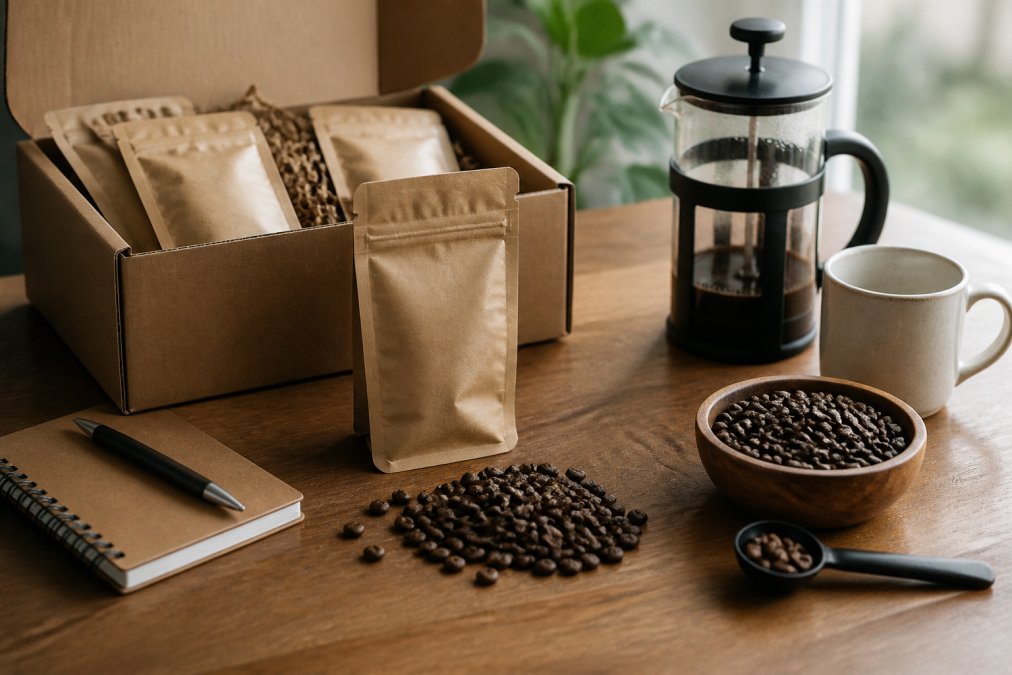
Choosing a coffee subscription service starts with three numbers: cups you drink daily, what you spend per bag now, and counter space. This guide from theITDGroup LLC covers roast profiles, delivery timing, and cost per cup so your first order lands close to perfect.
Your prep checklist:
- Cups per day (multiply by 7 for weekly volume)
- Current monthly coffee spend
- Grinder type: burr, blade, or none
- Brew method: drip, espresso, pour-over, cold brew
- Storage space for whole bean bags
Coffee Roast Profiles Explained: Match the Roast to Your Taste
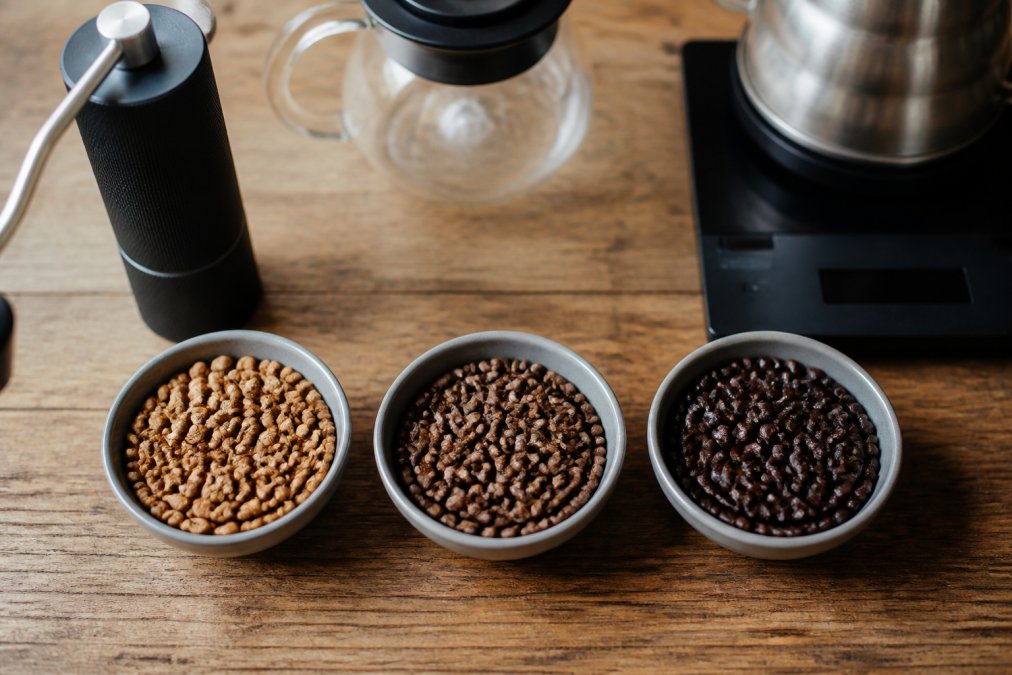
Roast level, not origin, is the fastest way to predict whether you will like a coffee. Light roasts keep natural acidity and fruit; dark roasts trade brightness for bittersweet cocoa and smoke.
Light, Medium, and Dark: What Each Roast Actually Tastes Like
Light roasts taste bright and acidic, with fruity or floral notes. Medium roasts balance sweetness and body, suiting most brewing methods. Dark roasts lean smoky and bittersweet, holding up well in espresso and cold brew. With milk or sugar, medium and dark roasts survive the addition better; black, a light or medium-light roast shows more character.
How to Read Tasting Notes on a Coffee Subscription Service
Tasting notes describe what the roaster tasted during cupping, not added flavors. "Salted caramel, silky sweet, citrus" on a Peru single origin means the bean naturally carries those impressions. The Specialty Coffee Association's cupping standards explain how professional tasters evaluate acidity, body, and flavor profile.

Single Origin vs Blend Coffee: Which Belongs in Your Subscription
Single-origin coffee comes from one country, region, or farm. Blends combine beans from multiple sources for consistency. Neither is better; they solve different problems.
| Factor | Single-Origin | Blend |
|---|---|---|
| Flavor | Distinct, changes by harvest | Consistent, repeatable |
| Best for | Exploring tasting notes | Daily routine, espresso |
| Brew method | Pour-over, drip | Espresso, drip, cold brew |
| Price | Often higher | Usually lower |
When to Choose Single-Origin Beans
Pick single-origin to taste how altitude, processing method, and varietal change a cup. A medium-roast Peru with salted caramel and citrus tastes nothing like a medium-light Tanzania with pear and jasmine. Order a sample pack before committing to a full bag.
When a Blend Makes More Sense
Blends win when you want the same cup every morning. A house blend of Central and South American coffees delivers steady nutty and chocolate notes regardless of harvest shifts. For espresso, blends pull more consistently.

Coffee Subscription Frequency: Finding Your Delivery Rhythm
Match delivery frequency to actual consumption, not ambition. A household drinking one cup a day goes through roughly one 12-ounce bag every two to three weeks.
Pricing, Cost Per Cup, and What You're Actually Paying For
Sticker price tells you almost nothing. What matters is cost per cup, and how it compares to what you already spend at the grocery store or cafe.
How to Calculate Cost Per Cup
Use this formula:
Cost per cup = (bag price + shipping) ÷ cups per bag
Subscription Tiers: What You Are Actually Buying
Most services structure pricing around three levers. Understanding them lets you compare apples to apples.
| Tier lever | What changes | Typical effect on price |
|---|---|---|
| Bag size | 8 oz, 12 oz, 16 oz, 2 lb | Larger bags lower cost per ounce but raise upfront spend |
| Frequency | Weekly, biweekly, monthly | More frequent shipments often unlock free shipping thresholds |
| Roast/origin tier | House blend vs. micro-lot single origin | Single-origin micro-lots can run 30-60% higher per ounce |
| Commitment | Month-to-month vs. prepaid 3/6/12-month | Prepaid plans usually discount 10-20% but lock you in |
Subscription vs. Grocery Store vs. Cafe
Grocery store coffee is the baseline most people compare against. A typical 12-ounce bag of national-brand whole bean runs $8 to $14, roughly $0.40 to $0.75 per cup at a 15-gram dose, cheaper than most subscriptions.
Best Sellers Sample Pack: 6Bean →
Hidden Costs to Factor In
- Shipping. Some services include it above a threshold; others add $4 to $8 per box. Confirm before checkout.
- Grinder. If you switch to whole bean, a burr grinder is a one-time $40 to $150 cost that changes your true cost per cup in year one.
- Waste. If you cannot finish a bag before it stales, your effective cost per cup rises because you are throwing away beans.
- Introductory pricing. A first-box discount that reverts to full price on box two can make the annual cost 20-40% higher than the headline number suggests.
The Federal Trade Commission's guidance on negative option marketing covers the disclosure rules sellers must follow for automatic renewals, including clear cancellation terms and consent for recurring charges. Read the renewal terms before you enter a card number.
Flexibility, Freshness, and the Fine Print That Matters
Two things separate a good subscription from a frustrating one: how easily you can change it, and how fresh the coffee arrives. Read both policies before entering a card number, and plan your storage.
Pause, Skip, or Cancel: What a Fair Policy Looks Like
A fair policy lets you skip a shipment, pause for a set period, or cancel online without a phone call. Email-only cancellation with a waiting period is a warning sign. Look for a stated trial period and clear billing dates.
Specific things to check in the terms:
- Skip vs. pause. Skipping usually affects one shipment; pausing suspends the whole plan for a set number of weeks or months. Know which one you need.
- Cutoff window. Most services let you change an upcoming order up to 24 to 72 hours before the ship date. After that, the box is committed.
- Cancellation method. Online cancellation is the standard to expect. Phone-only or email-only cancellation is a friction point.
- Refund policy. Some services refund a bag you did not like; many do not. Check before you order a large size.
- Price-change notice. A fair service emails you before raising your recurring rate.
Roast Dates, Storage, and Shelf-Life Management
Roasted coffee peaks roughly 4 to 14 days after the roast date, then fades. Whole bean keeps far longer than pre-ground because less surface area is exposed to oxygen. As a rough guide:
| Format | Peak flavor window | Still drinkable |
|---|---|---|
| Whole bean, opened | 4-14 days post-roast | 4-6 weeks with good storage |
| Whole bean, unopened valve bag | 4-14 days post-roast | 6-8 weeks |
| Pre-ground, opened | 1-3 days post-roast | 1-2 weeks |
| Pre-ground, unopened | 1-3 days post-roast | 3-4 weeks |
Storage that actually works:
- Keep beans in an opaque, airtight container with a one-way valve if possible. A mason jar with a tight lid works; a clear jar on a sunny counter does not.
- Store at room temperature, away from the stove, oven, and windows. Heat and light accelerate staling.
- Skip the freezer for daily-use bags. Every time you open the container, moisture condenses on the beans. If you must freeze, freeze in single-use portions and let them come to room temperature before opening.
- Do not refrigerate. The fridge is humid and the beans will pick up odors from other food.
- Buy in quantities you will finish within a few weeks rather than stockpiling.
Troubleshooting Subscription Fatigue and Backlog
A backlog of unopened bags is the most common reason people quit a subscription. Here is how to fix it without canceling:
- Lengthen the interval. Move from biweekly to monthly, or monthly to every six weeks. Most services allow this in account settings.
- Pause instead of cancel. A two-month pause clears the backlog without losing your account, preferences, or grandfathered pricing.
- Downsize the bag. Switch from a 2-pound bag to a 12-ounce bag rather than changing frequency. Smaller, more frequent shipments stay fresher than one large one.
- Use the backlog deliberately. Older beans are fine for cold brew, which masks staleness better than pour-over. Blend them into a daily drip rather than drinking them black.
- Gift or share. Split a bag with a neighbor or coworker. It clears shelf space and gives you a second opinion on the roast.
Common Mistakes to Avoid When Choosing a Coffee Subscription Service
The biggest mistake is choosing on price alone before you know your flavor profile; the second is ordering a large bag of something you have never tasted. What trips people up:
- Subscribing before sampling. Buy a small sample pack first, then commit to full bags of what you liked.
- Ignoring grind. Whole bean with no grinder means you cannot brew it well. Match the product to your equipment.
- Over-ordering. Subscription fatigue sets in fast when unopened bags pile up. Start with a longer interval and shorten it later.
- Skipping the cancellation policy. Read it before the trial ends, not after.
- Chasing discounts over freshness. A cheap bag roasted months ago is not a bargain.
Conclusion: Build Your Coffee Subscription Around Your Profile
The hardest part of a coffee subscription is not finding one; it is matching it to how you actually drink coffee. Get your roast profile, origin preference, and delivery rhythm right, and everything else falls into place.
Frequently Asked Questions
Is it worth getting a coffee subscription service?
A coffee subscription service is worth it if you drink coffee daily and value freshness. Beans roasted to order arrive within days of roasting, which preserves tasting notes that fade within weeks on a store shelf. The math also favors subscriptions for heavy drinkers: a $24.99 sample pack of six 2-ounce bags lets you test multiple roast profiles before committing to full-size bags, so you learn your preferences without buying coffee you won't finish.
How do I know which coffee roast profile I prefer?
Start with a sample pack that spans roast levels. Light roasts keep more acidity and fruit-forward notes; medium roasts balance sweetness with body; dark roasts lean into cocoa, caramel, and smoke. If you drink your coffee with milk or cream, medium and dark roasts hold up better. If you brew pour-over or cold brew and want to taste origin character, try light and medium-light options first.
What are the different types of coffee subscriptions?
Most coffee subscription services fall into three models: curated (the roaster picks beans based on your stated preferences), single-origin rotation (each shipment features one origin, like Ethiopia or Colombia), and blend-based (consistent house blends for daily drinkers). Some offer whole bean or pre-ground options, and delivery frequency typically ranges from weekly to every six weeks. Your choice depends on whether you want consistency or variety.
How often should I schedule coffee subscription deliveries?
Match delivery frequency to your consumption. A typical 12-ounce bag makes about 16 to 20 cups, so a two-cup-per-day drinker needs roughly two bags per month. If you travel frequently or drink coffee only on weekends, choose a longer interval or a flexible plan you can pause. Ordering too often leads to stale beans; ordering too rarely means gaps. Start with a four-week interval and adjust after the first two shipments.
What should I check before committing to a coffee subscription?
Check four things: the roast date policy (beans should ship within days of roasting, not weeks), the cancellation and pause terms (month-to-month beats long contracts), the cost per cup (divide bag price by the number of cups you brew), and whether the service offers a trial or sample pack. A $24.99 sample pack of six 2-ounce bags is a low-risk way to test quality before committing to recurring deliveries.