 comparison
Is Loose Leaf Tea Better for Digestion? A Clear Comparison
Last Updated: November 9, 2026
Quick Summary
Loose leaf tea is not automatically better for digestion than tea bags. The format changes brewing and freshness, but the ingredients and the brew matter more. For specific complaints, ginger has the strongest evidence for nausea, while peppermint can help bloating but may worsen reflux.
- Whole leaves give more room to expand and steep more evenly than tea bag fannings.
- Ginger has the strongest human evidence among common digestive herbs, for nausea or upset stomach.
- Peppermint may relax gut muscle for bloating but can worsen reflux in some people.
- Use about 2.5 to 3 grams of leaves for a 12 oz cup and steep 5 to 10 minutes.
Table of Contents
- Loose Leaf Tea vs Tea Bags: Does the Format Change Digestion?
- What the Evidence Says About Tea and Digestive Health
- Digestive Effects by Symptom and Tea Type
- Best Loose Leaf Tea for Gut Health: Options Compared
- How to Brew Loose Leaf Tea for Maximum Benefits
- Loose Leaf Tea vs Tea Bags Health Benefits: Cost, Convenience and Trade-Offs
- When Tea Is Not the Answer: Safety and Medical Care
- Choosing Your Next Loose Leaf Tea to Try
- Frequently Asked Questions
Loose Leaf Tea vs Tea Bags: Does the Format Change Digestion?
Loose leaf tea is not automatically better for digestion than tea bags. The format changes how the tea is brewed and how fresh it tastes, and the ingredients inside the cup shape how a tea feels to drink. National Center for Complementary and Integrative Health overview of herbal teas and digestion
At theITDGroup LLC, we roast and blend our teas to order, so the question of format matters to us. Our view is that the leaf, the freshness and the brew decide the cup far more than the packaging does.
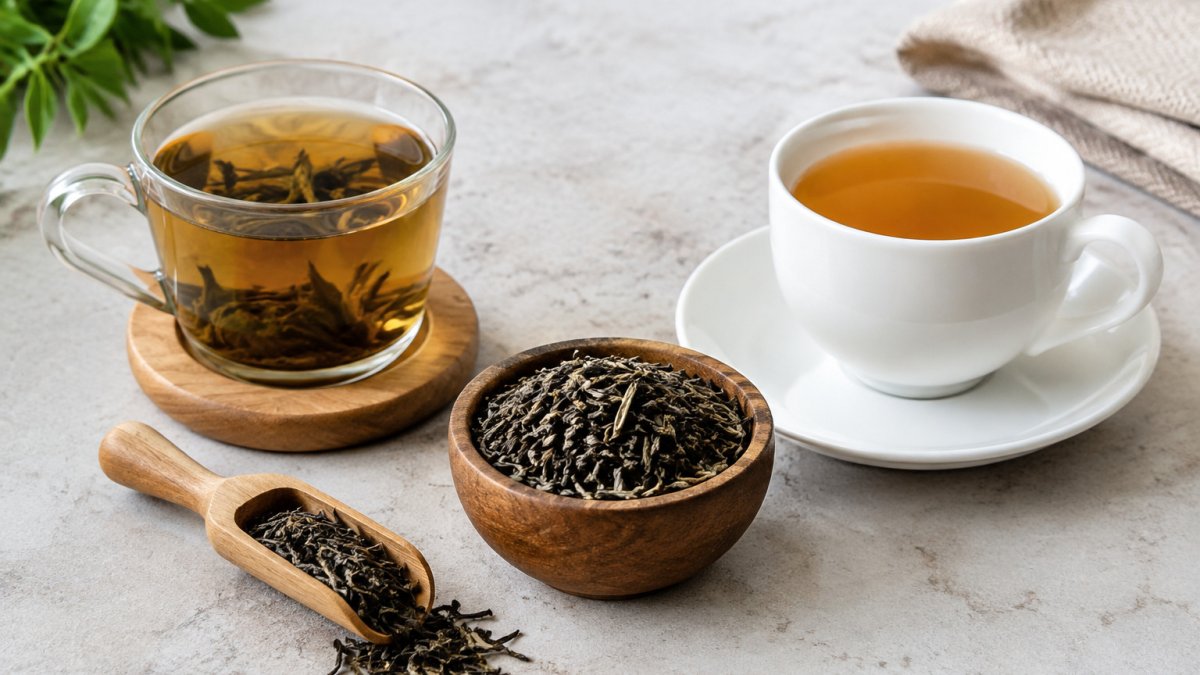
Loose leaf gives the leaves room to expand. Whole leaves and larger botanical pieces release flavor over a longer steep. Tea bags usually hold smaller, cut material that extracts faster and can taste harsher if oversteeped.
The practical difference is consistency and control. You can adjust leaf amount, water temperature and steep time for each blend, which matters for teas like our Masala Chai or Earl Grey.
What Changes Between Whole Leaves and Fannings
Whole leaves and fannings differ in size, surface area and how quickly they give up flavor. Fannings are the small particles left over from processing, and they appear in many bagged teas. They brew fast and sometimes taste bitter when steeped too long.
Whole-leaf teas steep more evenly and tend to taste cleaner. Freshness also matters: dried leaves lose aroma over time, whatever the format. Store any tea away from light, heat and moisture to keep its character.
What the Evidence Says About Tea and Digestive Health
Research on tea and digestion is limited, and few studies compare loose leaf with tea bags directly for digestive outcomes.
Some people find that a warm cup after a meal feels soothing, though that experience does not prove a specific digestive benefit. Treat digestive claims for any tea with caution, and check the wording on the package and in the research you read.
Digestive Effects by Symptom and Tea Type
"Digestion" is not one outcome, so a tea that helps with nausea may do nothing for bloating and may worsen reflux. The table below maps common complaints to the ingredients with the most support, the mechanism people attribute to them, and the caveats worth knowing. Evidence quality varies widely: some herbs have small human trials behind them, others rest on traditional use, and some have mixed or insufficient evidence.
| Symptom | Commonly used teas and herbs | Attributed mechanism | Evidence and caveats |
|---|---|---|---|
| Nausea or upset stomach | Ginger (fresh or dried root) | Gingerols and shogaols are thought to speed gastric emptying and calm the gut | The strongest human evidence among common digestive herbs, though trials are small and often use ginger capsules rather than tea |
| Bloating and gas | Peppermint | Menthol is believed to relax smooth muscle in the gut | Enteric-coated peppermint oil capsules have the most study; peppermint tea is weaker and can worsen reflux |
| Post-meal heaviness | Peppermint, ginger, fennel, cardamom | Carminative herbs are traditionally used to ease fullness | Mostly traditional use; little direct trial evidence for tea |
| Reflux or heartburn | Chamomile, ginger (weak), non-mint herbal blends | Soothing, low-acid warm liquid | Peppermint and strong black tea can relax the lower esophageal sphincter and worsen symptoms for some people |
| Constipation | Senna (a stimulant laxative herb), fennel | Senna contains sennosides that stimulate the bowel | Senna is a drug-like laxative herb, not a casual daily tea; frequent use can cause dependence and cramping |
| Evening wind-down and mild stomach discomfort | Chamomile | Apigenin and other compounds associated with relaxation | Traditional use; chamomile is generally well tolerated but can cause allergic reactions in people sensitive to ragweed family plants |
| Caffeine sensitivity | Rooibos, hibiscus, peppermint, chamomile | Naturally caffeine free | Caffeine can irritate some stomachs, especially on an empty stomach; caffeine-free blends avoid that trigger |
Read ingredient lists on any herbal blend carefully.
If you want a stronger cup, increase the leaf amount rather than steeping for longer, which can add bitterness.
Best Loose Leaf Tea for Gut Health: Options Compared
Choose by the flavors and ingredients you enjoy. Here is how our current teas compare:
| Tea | Type | Caffeine | Brew Notes | Starting Price |
|---|---|---|---|---|
| Moroccan Mint | Green tea with mint | Contains caffeine | Refreshing hot or iced | $22.99 |
| Apple Cider Rooibos | Herbal rooibos blend | Caffeine free | Spicy, sweet, year-round | $22.99 |
| Hibiscus Berry Tea | Herbal blend | Caffeine free | 212 F, 5-10 min, 3g per 12oz | $22.99 |
| Masala Chai | Black tea with spices | Contains caffeine | Bold, spicy, full-bodied | $22.99 |
| Earl Grey | Black tea with bergamot | Contains caffeine | 195 F, 5-10 min, 2.5g per 12oz | $22.99 |
Moroccan Mint blends green tea with fresh mint. It is a refreshing choice, hot or iced. Watch the caffeine if you are sensitive to it.
Apple Cider Rooibos is spicy and sweet with cinnamon and orange peel. It is naturally caffeine free and great for enjoying year round.
Hibiscus Berry Tea is refreshing and berry-flavored, and works as a cold brew or western style brew. Its ingredients include organic hibiscus, rosehips and rooibos.
Masala Chai is bold, spicy, full-bodied and aromatic. It can be served with milk and sugar or enjoyed on its own.
Earl Grey is a loose leaf flavored tea with Ceylon black tea, bergamot essential oil and cornflowers. It is timeless and can be enjoyed alone or with milk and sugar.
How to Brew Loose Leaf Tea for Maximum Benefits
Brewing well matters more than most guides admit. Use fresh, filtered water, measure your leaves and time your steep.
- Measure the leaves. Use about 2.5 to 3 grams for a 12 oz cup.
- Heat the water to the temperature on the package. Hibiscus brews at 212 F, while Earl Grey does better at 195 F.
- Steep for 5 to 10 minutes. Longer steeping adds bitterness rather than benefit.
- Strain the leaves completely before drinking.
- Store the leftover tea in an airtight container away from light and heat.
A common mistake is steeping black tea too long, which can taste harsh.
Loose Leaf Tea vs Tea Bags Health Benefits: Cost, Convenience and Trade-Offs
Loose leaf usually costs more per cup in convenience, and it needs a strainer or infuser. It also gives you more control over the brew and tends to show fresher flavor. Tea bags are quick, portable and simple, which suits busy days. Before you buy, learn how to identify quality loose tea so the higher price is justified.
Loose leaf is worth considering for flavor and control over the brew.
When Tea Is Not the Answer: Safety and Medical Care
Tea is a beverage, not a treatment, and some digestive symptoms need a clinician rather than a different blend. Seek medical care promptly for blood in the stool, black or tarry stools, severe or persistent abdominal pain, unexplained weight loss, vomiting that will not stop, difficulty swallowing, or heartburn that does not improve with over-the-counter treatment. Persistent bloating, a change in bowel habits lasting more than a few weeks, or symptoms that wake you at night also warrant a medical visit rather than another cup.
Beyond red flags, several everyday safety points matter more for herbal teas than most shoppers expect.
- Caffeine. Black, green, and oolong teas contain caffeine. Caffeine can irritate the stomach lining, worsen reflux, and disrupt sleep, especially on an empty stomach or in large amounts. If you are sensitive, choose caffeine-free options such as rooibos, hibiscus, peppermint, or chamomile, and check labels on blends that mix herbs with green or black tea.
- Herb-medicine interactions. Some herbs are not inert. Peppermint may affect how some drugs are metabolized. Ginger in culinary amounts is generally low risk, but high-dose supplements can interact with anticoagulants. If you take prescription medicine, ask a pharmacist before making an herbal tea a daily habit.
- Pregnancy and breastfeeding. Many herbs have not been well studied in pregnancy. Chamomile, peppermint, and ginger in normal tea amounts are commonly considered low risk, but senna, high-dose licorice root, and some "detox" blends are not appropriate without clinician guidance. Caffeine should be limited during pregnancy.
- Allergies. Chamomile and other members of the daisy family can trigger reactions in people with ragweed, chrysanthemum, or related allergies. Hibiscus can cause reactions in some people. Stop any tea that causes rash, itching, swelling, or breathing difficulty and seek care.
- Regulation. Herbal teas are regulated as foods, not medicines. Unlike over-the-counter drugs, they do not need premarket approval for efficacy, and label claims are limited (the FDA). Treat front-of-package digestive claims as marketing rather than proof.
- Dose and duration. More is not better. Very large amounts of licorice root can raise blood pressure and lower potassium. Long-term daily use of stimulant laxative herbs is not recommended. If a tea seems to help, keep the amount moderate and reassess rather than escalating.
Watch out: "detox," "slimming," and "cleanse" teas are a common source of unexpected laxative herbs and unlisted ingredients. If the label does not list every herb and amount, treat it as unknown rather than safe.
None of this means tea is risky for most people. It means the format question, loose leaf versus bag, is secondary to what is in the cup, how much you drink, and whether you have a condition or medication that changes the calculus. When in doubt, a clinician or pharmacist can review your specific situation faster than any label can.
Choosing Your Next Loose Leaf Tea to Try
Start with the flavor you enjoy most and match it to your routine. If you want caffeine-free evening tea, try Apple Cider Rooibos. If you want something refreshing after meals, try Moroccan Mint. Explore our full range of loose leaf teas to find the blend that suits you.
Frequently Asked Questions
Is loose leaf tea actually healthier than tea bags?
Not necessarily. The ingredients drive most of the effect, so two teas made from the same plant can behave differently only because of leaf quality. Loose leaf tea usually contains larger, whole or less broken pieces, which can release compounds more slowly and evenly during steeping, while tea bag fannings and dust extract faster and can taste more bitter if oversteeped. Research directly comparing the two formats for digestion is limited, so any benefit should be treated as plausible rather than proven. If you choose a loose leaf option, check freshness and whole-leaf content rather than assuming the format alone is better.
What is the healthiest tea for digestion?
Herbal blends are a matter of personal taste, and the choice of ingredients is yours to make. Our Apple Cider Rooibos is naturally caffeine free and blends rooibos with cinnamon and orange peel, while our Masala Chai is a spicy, full-bodied cup.
How do I brew loose leaf tea to get the most from it?
Use about 2.5 to 3 grams per 12 ounces of water, and match the temperature to the tea type. Our Earl Grey recommends 195 F for 5 to 10 minutes, while our Hibiscus Berry Tea uses 212 F for the same time with 3 grams per 12 ounces. Steep herbal blends like rooibos fully, and avoid oversteeping black teas, which can taste bitter. Strain the leaves once the tea is ready so it does not keep extracting.
Should I drink tea if I have diarrhea?
If diarrhea is severe, lasts more than a few days, or comes with blood, fever or dehydration, contact a doctor rather than relying on tea.