 listicle
Premium Loose-Leaf Tea Alternatives to Atlas Tea Club
Table of Contents
- Why Switch From Atlas Tea Club: Key Differences in Premium Loose-Leaf Tea Sourcing
- Best Tea Subscription Boxes: What Sets Quality Loose-Leaf Options Apart
- Premium Loose-Leaf Tea Subscription: Single-Origin and Blended Selections
- Loose-Leaf Tea Sampler: How to Explore Multiple Flavors and Origins
- Tea Subscriptions for Beginners: Starting Your Premium Tea Journey
- Cost-Per-Cup Comparison: Evaluating Value in Premium Tea Selections
- Subscription Flexibility and Cancellation: Terms That Work for Your Lifestyle
- Frequently Asked Questions
Last Updated: October 18, 2026
Why Switch From Atlas Tea Club: Key Differences in Premium Loose-Leaf Tea Sourcing
If you're searching for loose-leaf tea alternatives to Atlas Tea Club for premium loose leaf tea, you've noticed the market has expanded. The real difference only becomes obvious when you dig into sourcing practices, shipping speed, and what "premium" actually means in loose-leaf tea.
Subscription models promise convenience, but convenience often costs freshness. Atlas Tea Club built its reputation on curated selections and educational content, but curated doesn't mean fresher, and educational doesn't guarantee better value.
When evaluating loose-leaf tea alternatives, focus on three concrete factors. First, how recently was the tea processed and shipped? Second, what do you actually pay per cup when you account for all costs? Third, how flexible is the subscription if your preferences change?
Best Tea Subscription Boxes: What Sets Quality Loose-Leaf Options Apart
The best tea subscription boxes treat freshness as non-negotiable: tea is processed close to shipment, not warehoused for months. The flavor difference is immediate.
Single-origin teas, sourced from specific regions rather than blended, offer traceability, you know exactly where your tea comes from. Blended selections allow more creative flavor combinations but require careful attention to component freshness.
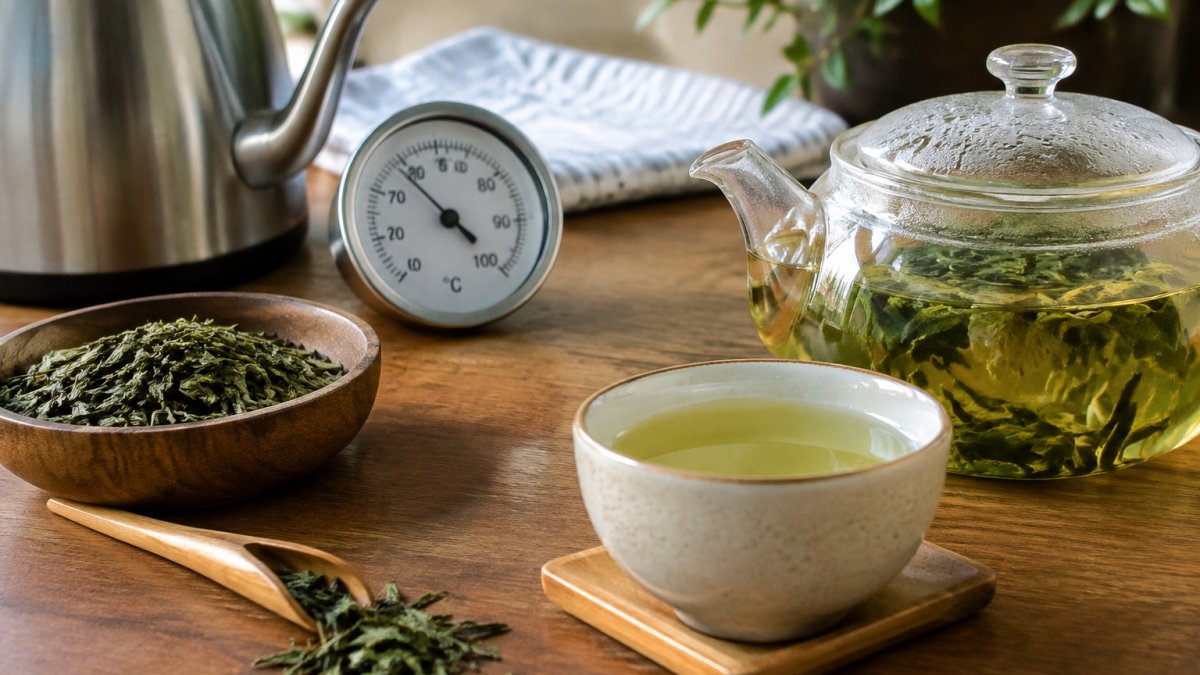
Subscription boxes that excel include detailed brewing instructions, not just flavor descriptions. Proper water temperature, steeping time, and leaf-to-water ratio transform a mediocre tea into something exceptional.
Cost structure varies. Some services charge a flat monthly fee; others charge per serving. Some include shipping; others don't.
Premium Loose-Leaf Tea Subscription: Single-Origin and Blended Selections
Premium loose-leaf tea subscriptions typically offer both single-origin and blended options. Single-origin teas showcase a specific region's soil, climate, and processing methods, the factors that make Darjeeling different from Sencha or Oolong.
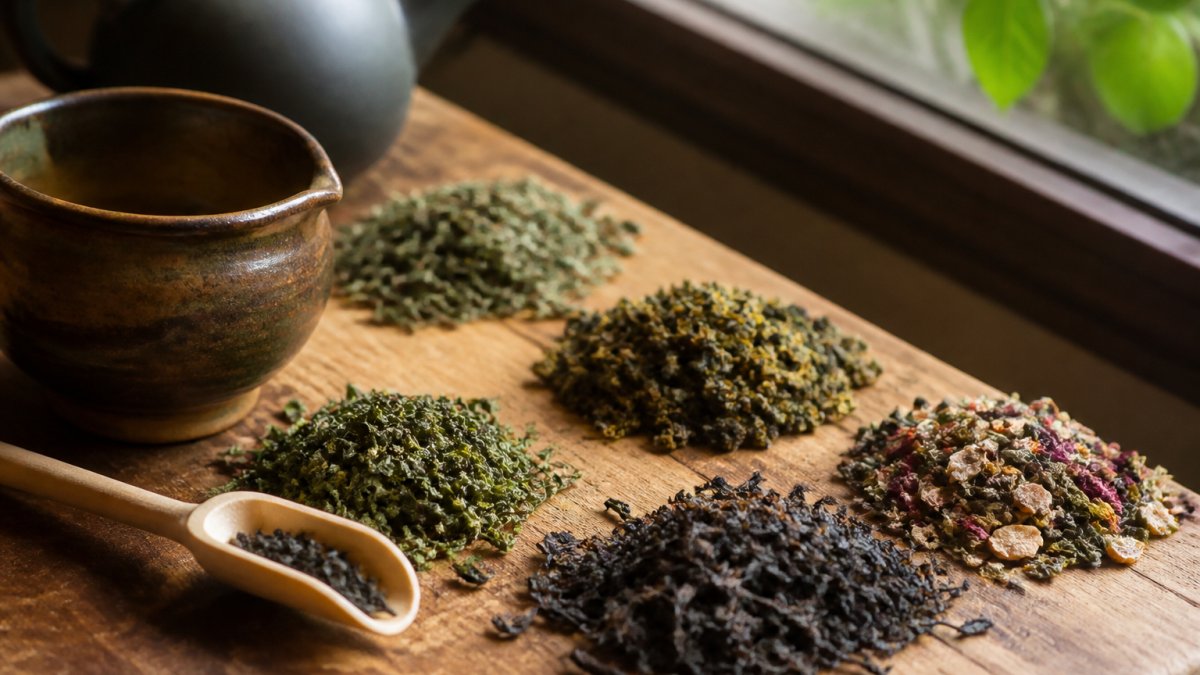
Blended selections combine leaves from different origins to create consistent flavor profiles. Our Earl Grey pairs Ceylon black tea with bergamot essential oil and cornflowers, impossible with single-origin tea alone.

The practical choice depends on your habits. If you brew daily and want discovery, single-origin subscriptions provide education and variety. If you prefer consistency, blends offer reliability. Many serious tea drinkers maintain both.
We blend or present selections whole-leaf, never broken or dusty. Whole leaves unfurl more completely during brewing, extracting flavor more evenly.
Loose-Leaf Tea Sampler: How to Explore Multiple Flavors and Origins
A loose-leaf tea sampler serves one purpose: risk-free exploration.
Effective samplers include 4-8 different teas, with enough quantity per selection to brew 2-3 cups. One steep isn't enough to evaluate a tea fairly, you need multiple attempts to dial in your preferences.
The best samplers include diversity. A sampler offering five black teas teaches you less than one offering black, green, white, oolong, and herbal options.
Loose-leaf tea samplers work particularly well for beginners because they remove commitment anxiety. Try our Moroccan Mint, Earl Grey, and Masala Chai without obligation, then decide which direction appeals to you.

Tea Subscriptions for Beginners: Starting Your Premium Tea Journey
Starting a premium tea subscription as a beginner requires understanding what you're buying into.
Beginner-friendly subscriptions provide clear brewing guidance. Our Hojicha, for example, specifies 195°F water and 5-10 minute steeping time with 2.5 grams per 12 ounces. This precision transforms a beginner's experience from hit-or-miss to consistently good results.

Beginners also benefit from subscriptions that explain tea categories.
Start with blended options rather than rare single-origins. Blends like our Peach Paradise or Mango Treat are forgiving across a range of brewing variables.
The commitment question matters for beginners. Can you pause the subscription if you travel? Can you skip a month? Can you change selections without penalty?
Cost-Per-Cup Comparison: Evaluating Value in Premium Tea Selections
Most tea subscription reviews quote a monthly price and stop there, a number that tells you almost nothing. The only figure that lets you compare a $22.99 bag against a $35 monthly box against a $60 quarterly shipment is cost per brewed cup: total delivered cost divided by the cups you actually drink. Calculate it before you switch.
The four inputs you need
To compare any two loose-leaf tea options fairly, collect these numbers from each product page or by asking customer service:
- Total delivered price, product price plus shipping plus any tax you can't avoid.
- Net tea weight in the package, not the box size, not the number of "servings" the brand claims. Grams or ounces.
- Grams per cup at your strength, a common starting point is 2.5 g per 8-12 oz cup, but oolong and white tea often need 3-4 g, and a strong black breakfast blend may need 3 g. Use the same number for every brand you compare, or the math is meaningless.
- Resteep multiplier, whole-leaf oolong, pu-erh, and many green teas hold up for 2-4 infusions. Broken-leaf or heavily flavored blends usually give one good cup. If you resteep, your real cost per cup drops; if you don't, it doesn't.
Worked example
Suppose Brand A sells a 50 g pouch for $22.99 with $5 shipping, brewed at 2.5 g per cup with no resteeping: 20 cups at $27.99 delivered, about $1.40 per cup. Brand B sells 100 g for $35 with free shipping, brewed at 3 g per cup and resteeped twice: roughly 100 cups at $35 delivered, about $0.35 per cup. Brand B looks pricier on the shelf and is dramatically cheaper in the cup.
Run the same math on Atlas Tea Club's current plan using its published shipment weight and shipping terms, then on any alternative. The gap is often larger than the sticker-price gap suggests, in either direction.
Where subscriptions hide the real cost
- "Servings" claims. A box that says "20 servings" may mean 20 teabags' worth of leaf, not 20 cups at the strength you brew. Ask for grams.
- Shipping thresholds. Many services waive shipping above a cart minimum. If you're one pouch short of the threshold, adding a second pouch can lower your cost per cup even though you spent more.
- Commitment discounts. Prepaid 6- or 12-month plans often cut the per-shipment price 10-20%, but they lock your money in. Compare the discounted cost per cup against the month-to-month cost per cup, not against the list price.
- Wasted leaf. If a shipment includes teas you don't finish, the effective cost per cup of the teas you do drink rises. A smaller, more targeted order often beats a bigger "value" box.
Subscription Flexibility and Cancellation: Terms That Work for Your Lifestyle
A tea subscription is only as good as its exit terms. Before you switch from Atlas Tea Club to any alternative, read the fine print on four mechanics: renewal, skip/pause, cancellation, and gift plans.
Renewal terms
Most tea subscriptions renew automatically on a fixed cycle, monthly, every 4 weeks, every 6 weeks, or quarterly. The details that matter:
- Renewal date vs. ship date. Some services charge your card days or weeks before the box ships. If you want to skip a shipment, you usually need to act before the charge date, not the ship date.
- Price-change notice. Look for whether the brand commits to notifying you before a price increase. A subscription that can raise prices without notice is a subscription you have to monitor.
- Auto-renewal disclosure. Under federal auto-renewal rules enforced by the FTC, sellers of negative-option subscriptions must disclose the terms clearly, get your consent, and give you a simple way to cancel. If a brand's signup flow buries the renewal terms, treat that as a warning sign.
Skip and pause options
Skipping is not the same as pausing. Skipping usually delays one shipment; pausing suspends the subscription for a set period. Ask each brand:
- How many skips are allowed per year, and is there a limit?
- Can you skip after the charge date but before the ship date?
- Does pausing preserve your grandfathered price, or do you rejoin at current pricing?
- Can you pause for a specific number of months, or only indefinitely?
A brand that lets you skip with 48 hours' notice is more flexible than one requiring a week's notice, even if both advertise "flexible subscriptions."
Cancellation mechanics
The FTC's "click-to-cancel" rule requires that canceling a subscription be at least as easy as signing up, no phone-only cancellation if you signed up online, no hidden retention maze. When comparing brands, check:
- Channel. Can you cancel online, or must you call or email during business hours?
- Notice period. Some services require cancellation before the next billing cycle; others allow cancellation up to the ship date.
- Fees. Most tea subscriptions don't charge cancellation fees, but prepaid plans sometimes do, or refund only partially. Read the prepaid terms carefully.
- Confirmation. A reputable brand sends a cancellation confirmation email. If it doesn't, keep your own record.
Gift plans
Gift subscriptions have their own rules. Check whether the gift auto-renews at the recipient's card or ends after the prepaid term, whether the recipient can swap teas or skip a shipment, and whether it can be transferred or refunded.
A practical comparison checklist
Before committing to any alternative, get written answers to these questions from customer service:
- What is my exact next charge date, and how much notice do I need to skip?
- How many skips or pauses are allowed per year?
- Can I cancel online, and will I receive a confirmation?
- Are there any fees for canceling a prepaid plan?
- If I pause, do I keep my current price when I resume?
Frequently Asked Questions
What makes a premium loose-leaf tea subscription better than standard tea bags?
Premium loose-leaf tea offers larger leaf pieces and whole buds that unfurl fully during brewing, releasing more flavor compounds and aroma than broken leaves in tea bags. Loose-leaf selections typically come from single-origin farms or carefully curated blends with documented sourcing, giving you control over steeping time and strength. You also get better freshness when teas are roasted to order, ensuring maximum flavor in every cup.
How do I compare cost per cup across different loose-leaf tea subscriptions?
Calculate cost per cup by dividing the total subscription price by the number of servings included. For example, a $22.99 tea selection providing 30 cups costs about $0.77 per cup. Compare this against your current tea spending to understand the actual value. Factor in shipping costs and subscription frequency (monthly, bimonthly) to get a true picture of your annual investment.
Are there good loose-leaf tea samplers for someone new to premium tea?
Yes. A quality loose-leaf tea sampler introduces you to different flavor profiles, black tea, green tea, herbal tea, and oolong, without committing to full subscriptions. Look for samplers with detailed tasting notes describing flavor characteristics like floral, fruity, or spiced notes. Samplers with brewing instructions for each tea help beginners steep correctly. Starting with a sampler lets you identify your preferences before choosing a subscription focused on specific tea types or origins.
What should I verify about ethical sourcing and tea quality?
Ask for specific information about tea origins. Reputable sources document where their teas come from. Look for descriptions of leaf grades and freshness guarantees. Avoid vague claims like 'ethically sourced' without details. Request information about roasting dates or roast-to-order practices, which ensure you receive the freshest product. Quality tea companies provide brewing instructions and tasting notes that reflect actual flavor profiles, not generic descriptions.