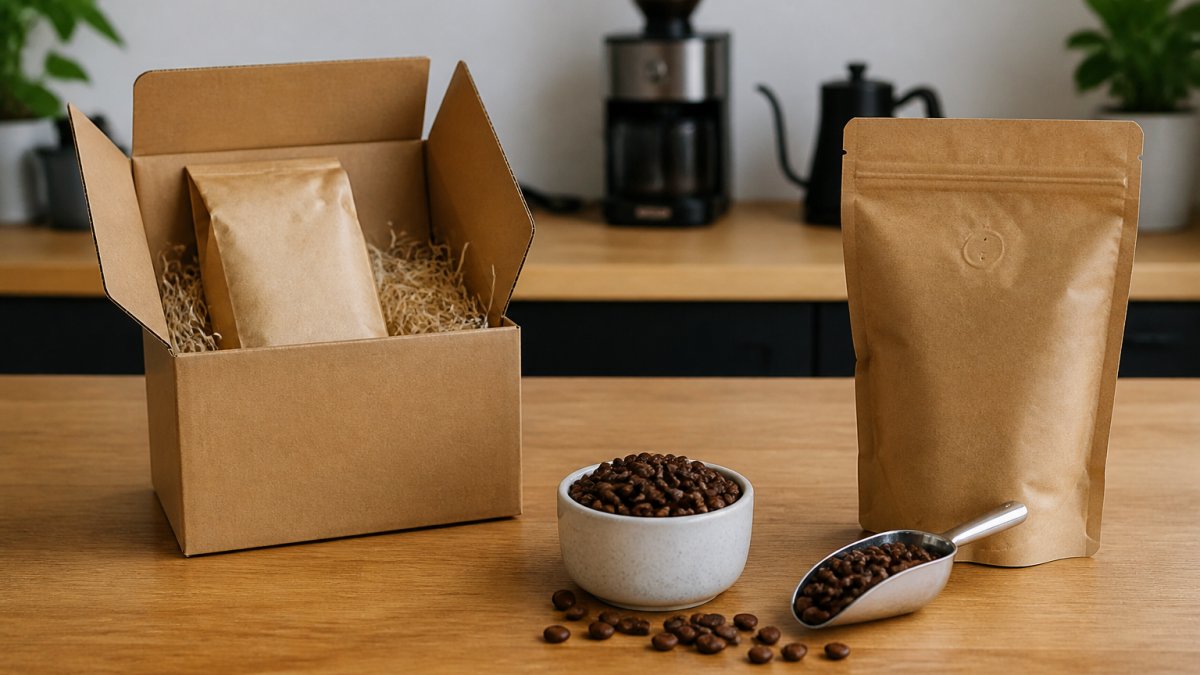
 comparison
Fresh Coffee Subscription vs Local Roaster
Table of Contents
- At-a-Glance Comparison: Coffee Subscription vs Local Roaster
- The Benefits of Roasted to Order Coffee
- Cost Breakdown: Subscription vs Local Roaster
- Variety and Selection: Single-Origin vs Blends
- How to Choose a Coffee Subscription Service
- How to Store Fresh Roasted Coffee Beans
- Carbon Footprint and Environmental Impact
- Conclusion
- Frequently Asked Questions
Last Updated: September 30, 2026
At-a-Glance Comparison: Coffee Subscription vs Local Roaster
Choosing between a coffee subscription and a local roaster comes down to one trade-off: delivered convenience and roast-date certainty versus in-person selection and immediate community connection. A coffee subscription ships roasted-to-order beans to your door on a schedule you set, while a local roaster lets you buy small batches in person the same week they're roasted. This guide from theITDGroup LLC breaks down cost, freshness, variety, and logistics.
| Factor | Coffee Subscription | Local Roaster |
|---|---|---|
| Freshness control | Roasted to order, ships within days | Buy same-week, inspect in person |
| Selection | Rotating single-origin and blends | Limited to what's on the shelf |
| Convenience | Delivered on your schedule | Requires a trip during open hours |
| Cost-per-ounce | Fixed, predictable | Varies by batch and season |
| Best for | Consistency and variety | Immediacy and community |
The Benefits of Roasted to Order Coffee
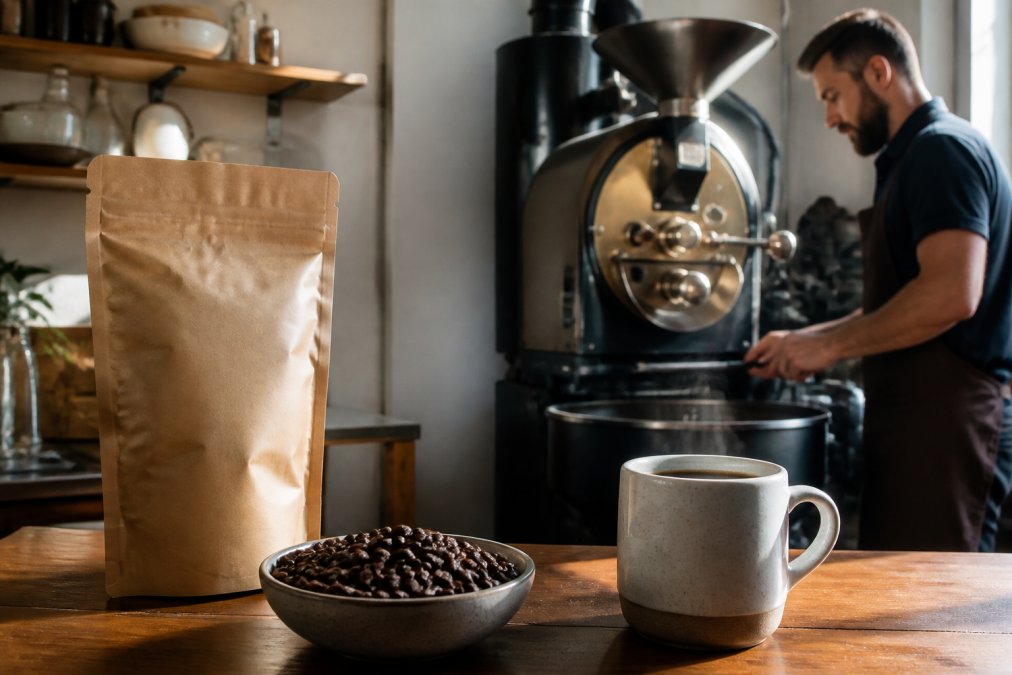
Roasted to order means your beans are roasted after you place the order, not pulled from warehouse stock. Coffee begins losing aroma and flavor the moment it leaves the roaster, so a shorter gap between roast and brew preserves the oils and volatile compounds responsible for flavor.
Why the Freshness Window Matters
The freshness window is the period after roasting when coffee tastes best. Most roasters suggest drinking beans within two to four weeks of the roast date, after a short rest period called degassing, when beans release carbon dioxide that can throw off extraction if you brew too soon.
Cost Breakdown: Subscription vs Local Roaster
A subscription typically costs more per bag than a local roaster's house blend, but the gap narrows once you factor in shipping thresholds, travel, and waste. The real question is which delivers more drinkable cups per dollar.

Cost-per-Ounce and Subscription Tiers
Cost-per-ounce is the only fair way to compare: divide the bag price by the bag weight in ounces. A 12-ounce bag at $23.99 works out to roughly $2.00 per ounce. Subscription tiers usually scale by frequency (weekly, biweekly, monthly) rather than weight, so a "monthly" plan that ships two bags costs more than one that ships one.
| Plan Type | Typical Cadence | Best For |
|---|---|---|
| Single bag | One-time | Testing a roast before committing |
| Biweekly | Every 2 weeks | One to two daily cups |
| Monthly multi-bag | Every month | High-volume households |
Variety and Selection: Single-Origin vs Blends
Single-origin coffee comes from one region, farm, or cooperative, letting you taste the character of a specific place. Blends combine beans from multiple origins for a consistent, balanced cup. Neither is better; they serve different goals.
How to Choose a Coffee Subscription Service
To choose a coffee subscription service, match three variables to your habits: roast frequency, delivery interval, and grind preference. But the variable most guides skip is equipment compatibility, the bean you subscribe to has to work with the brewer you actually own.
Start with these steps:
- Decide how much coffee you drink per week in ounces
- Pick a delivery interval that arrives before you run out
- Confirm the roaster ships whole bean or grinds to your brewing method
- Check whether you can pause, skip, or change cadence
- Verify the roast date is printed on the bag, not just a "best by" date
- Match the roast level and origin to your brewing method (see below)
Match the Bean to Your Brewer
A subscription that ships a light-roasted Ethiopian every month is a poor fit if your only brewer is a fixed-temperature drip machine, and a dark, oily espresso blend will clog a pour-over filter and taste flat through a French press.
| Brewing Method | Best-Fit Roast | Why It Works | Watch Out For |
|---|---|---|---|
| Espresso | Medium to medium-dark | Higher pressure extracts sugars and oils that lighter roasts leave behind | Very light roasts can taste sour and thin under 9 bars of pressure |
| Pour-over (V60, Chemex) | Light to medium | Highlights acidity and origin character; paper filters trap oils | Dark, oily beans clog filters and mute clarity |
| French press | Medium to dark | Full immersion and metal mesh let oils through for body | Fine grounds slip past the mesh; grind coarse |
| Drip machine | Medium | Forgiving across a wide range; consistent temperature | Light roasts can taste underdeveloped if the machine runs cool |
| AeroPress | Any, with grind adjustment | Pressure plus immersion covers a wide range | Requires grind changes between roast levels |
| Cold brew | Medium to dark | Long steep at room temperature favors chocolate and caramel notes | Light roasts can taste vegetal over 12+ hours |
Shipping Frequency and Delivery Logistics
Shipping frequency is the single biggest source of subscription frustration. If you travel often, a rigid weekly schedule means beans sit on your porch oxidizing. Look for services that let you pause or shift delivery dates rather than cancel outright.
Skipping this check is the most common mistake new subscribers make. A plan you can't pause will keep shipping while you're away, and beans that sit in a mailbox for a week arrive well past their best window.
Before committing to a monthly plan, buy a single bag from the roaster and brew it on your own equipment. A bean that shines in a cupping lab can fall flat in your kitchen, and one test bag is cheaper than three months of coffee you don't enjoy.
How to Store Fresh Roasted Coffee Beans
Knowing how to store fresh roasted coffee beans protects the flavor you paid for. Store beans in an airtight, opaque container at room temperature, away from light, heat, and moisture. Keep them whole until brewing.
- Airtight: oxygen speeds oxidation and stale flavors
- Opaque: light breaks down aromatic oils
- Cool and dry: heat and humidity accelerate decline
- Whole bean: grinding exposes surface area to air
Carbon Footprint and Environmental Impact
The environmental impact of shipping coffee is real, but smaller than most people assume relative to farming and roasting. The useful question isn't "subscription or local?" It's "which stage of the supply chain actually dominates the footprint?"
Where the Emissions Actually Come From
Coffee's carbon footprint breaks into roughly four stages, and they are not equal:
- Green coffee production (farming and processing): Typically the largest single share. Fertilizer use, irrigation, and post-harvest processing (washed, natural, honey) drive most of it. A washed coffee and a natural coffee from the same farm can carry meaningfully different footprints because of water and fermentation energy.
- Green coffee transport: Ocean freight from origin to a port is efficient per pound. A container ship moving thousands of pounds of green coffee emits far less per ounce than the last-mile delivery that gets a single bag to your door.
- Roasting: Natural gas or electric roasters, plus afterburners for smoke control, add a fixed cost per batch. This stage is roughly the same whether you buy from a subscription or a local roaster, the roaster still runs the machine.
- Last-mile delivery: This is where subscription and local diverge. A parcel carrier dropping one 12-ounce bag at your house is the least efficient leg in the chain. A consolidated route that drops 40 bags on one street is far better per bag.
The Counterintuitive Part: Local Isn't Automatically Lower-Carbon
A local roaster cuts the last-mile parcel leg, but only if you walk, bike, or combine the trip with errands you were already running. A dedicated 15-mile round trip in a gas car to buy one bag can emit more than the parcel delivery it replaced, because parcel carriers batch hundreds of stops into one route.
Practical Ways to Shrink the Footprint Either Way
- Buy fewer, larger shipments. A monthly two-bag delivery beats four weekly single-bag deliveries on packaging and per-bag transport emissions.
- Choose whole bean over pre-ground. Less packaging weight per ounce of coffee, and no separate grinding energy at a facility.
- Consolidate local trips. If you buy local, make the roaster one stop on a trip you're already making. A dedicated round trip erases the advantage.
- Look for origin transparency. Roasters who publish farm, cooperative, and processing details let you weigh environmental claims against actual practices instead of marketing language.
- Reuse or compost packaging. Many roasters now ship in recyclable or compostable bags; a few offer bag-return programs. A one-way valve bag is hard to recycle in most curbside streams, so check before you toss it.
If footprint is your priority, the highest-leverage move isn't choosing subscription over local. It's choosing fewer deliveries, larger bags, and roasters who can tell you where the beans came from and how they were processed.
Conclusion
The gap between a fresh coffee subscription and a local roaster isn't quality. It's control. Subscriptions give you roast-date certainty and variety on a schedule. Local roasters give you immediacy and a relationship with the person behind the counter.
Frequently Asked Questions
Is a coffee subscription worth the cost compared to buying local?
It depends on your priorities. A coffee subscription delivers roasted-to-order beans with a known roast date, which can beat local roaster shelves where bags sit for weeks. At $23.99 per 12-ounce bag from theITDGroup LLC, the cost-per-ounce is transparent. Local roasters offer immediate pickup and community connection, but may not match the freshness guarantee or variety of single-origin options available online.
How long does coffee stay fresh after roasting?
Peak freshness for whole bean coffee lasts about 7 to 14 days after the roast date. After that, oxidation and degassing reduce aroma and flavor. Beans stored in an airtight container away from light, heat, and moisture can stay drinkable for 3 to 4 weeks. A coffee subscription that ships within days of roasting keeps you inside that freshness window more consistently than store-bought bags with unknown roast dates.
How do I know if my coffee subscription is actually fresh?
Check the roast date on the bag, not the best-by date. A transparent roaster prints the exact roast day. If the bag has no roast date or only a 'best by' stamp, you cannot verify freshness. theITDGroup LLC roasts to order, so the beans ship shortly after roasting. You can also look for degassing signs: fresh beans release carbon dioxide, so the bag may have a one-way valve.
What are the pros and cons of buying coffee online vs in-store?
Online subscriptions offer convenience, automatic delivery, and access to single-origin beans from specific farms. You avoid sold-out shelves and get consistent roast dates. Cons include shipping wait times and not being able to smell the beans before buying. In-store lets you inspect bags and support local businesses, but selection and freshness vary. For busy professionals, a subscription reduces decision fatigue and ensures a steady supply.
Can you get better quality coffee from a subscription service?
Quality depends on sourcing and roasting, not the delivery method. A subscription service that roasts to order and provides sourcing transparency, such as farm name and altitude, can deliver excellent quality. theITDGroup LLC lists grower details for its single-origin coffees, including Brazil Santos from Fazenda Santa Barbara and Colombia from smallholder farmers in Medellin. That transparency helps you judge bean quality before you buy.