 comparison
Single Origin vs Blends for Espresso: Which to Choose
Quick Summary
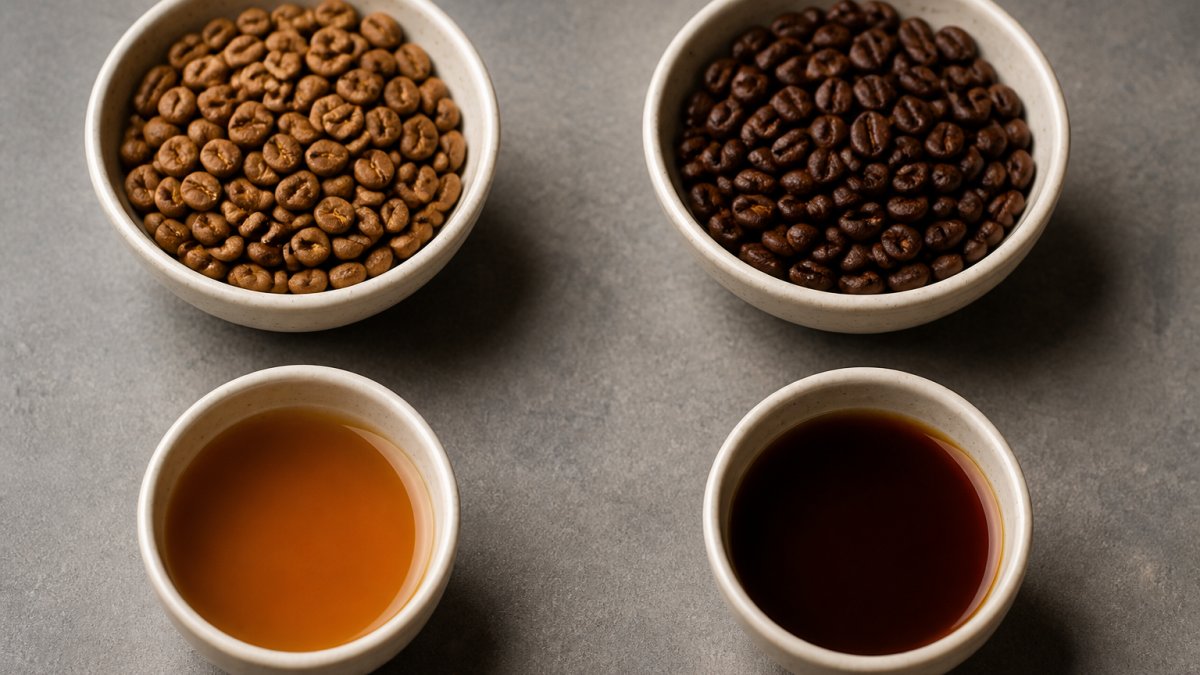
Single origin coffee suits you if you want black espresso with a distinctive, clearly defined flavor from one farm or region. Blends suit milk drinks and everyday consistency, since they combine several coffees into a balanced, sweeter cup.
- Single origin coffee highlights one farm, region, or processing method, so its flavor is distinctive.
- Guatemala, a single origin, is described with dark chocolate, bright fruit, and butterscotch notes.
- Blonde, a sweet blend from Central America and Africa, suits cappuccino or flat white drinks.
- Change one variable per shot, since adjusting grind and yield together hides which change fixed the shot.
- Single origins are harder to dial in unless your grinder makes small, repeatable steps.
Table of Contents
- Single Origin vs Blends for Espresso at a Glance
- What Single-Origin Coffee and Espresso Blends Actually Are
- Flavor Profiles: Clarity and Complexity vs Balance and Sweetness
- Consistency, Roast Level, and Freshness in Espresso
- How to Dial In Espresso for Each Coffee Type
- Choosing the Best Coffee Beans for Espresso Shots and Milk Drinks
- Picking Your First Single-Origin or Blend Bag From theITDGroup
- Frequently Asked Questions
Single Origin vs Blends for Espresso at a Glance
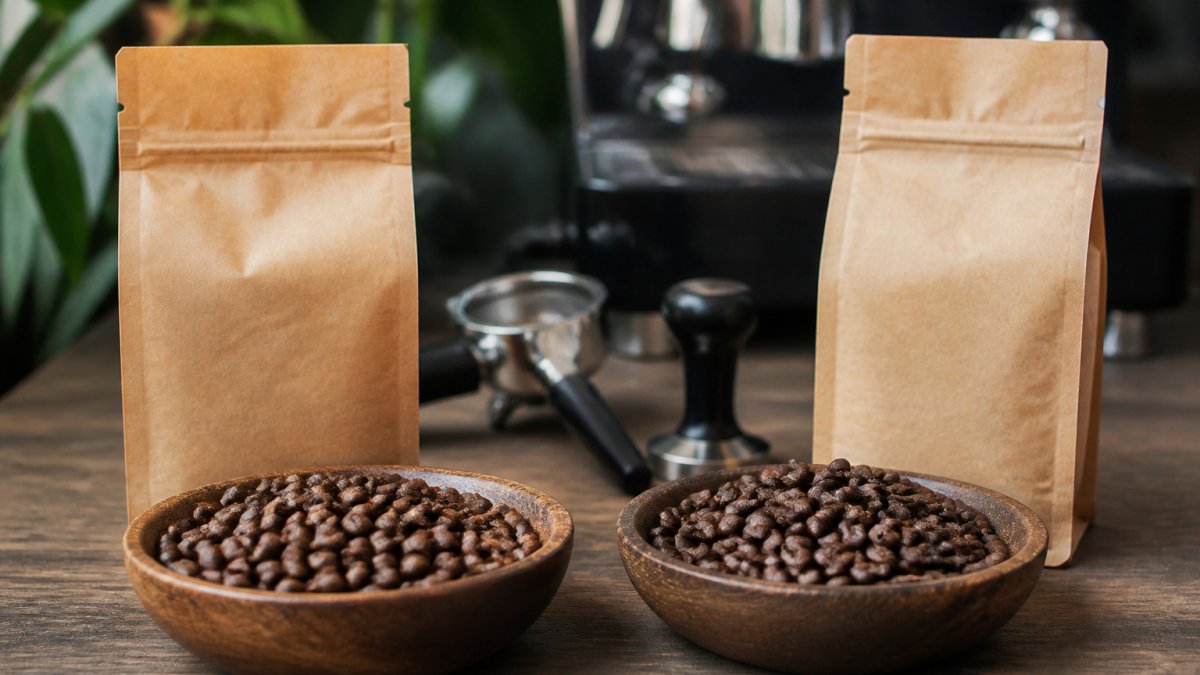
Single origin coffee and blends each have a real place in an espresso routine, and the right choice depends on what you want from the shot. Single origin coffee highlights one farm, region, or processing method, so the flavor is distinctive. Blends combine several coffees.
We roast to order at theITDGroup LLC.
Last Updated: October 28, 2026
What Single-Origin Coffee and Espresso Blends Actually Are
Single-origin coffee comes from one identifiable place, such as a specific farm, cooperative, or growing region. Coffee blend is a mix of beans from two or more origins.
A Guatemala lot, for example, is described as offering dark chocolate, bright fruit, and butterscotch notes, while a Bali Blue is described with dark chocolate, molasses, and brown sugar.
Our Specialty Coffee Association coffee standards guidance is a useful reference for how origin and processing shape cup quality.
Flavor Profiles: Clarity and Complexity vs Balance and Sweetness
A blend like our Blonde is described as a sweet blend from Central America and Africa.
Our coffee flavor wheel from the Specialty Coffee Association is a practical tool for describing what you taste in either category.
Consistency, Roast Level, and Freshness in Espresso
Our 6 Bean Blend is a dark roast described as great for espresso, and African Espresso is a medium/dark roast. For a ranked comparison of how each roast level affects flavor, see our guide.
We roast to order. Read why freshly roasted beans matter compared with store-bought bags.
How to Dial In Espresso for Each Coffee Type
If your grinder cannot make small, repeatable steps, single origins will be harder to dial than blends. A stepless or fine-step grinder makes the single-origin learning curve much shorter.
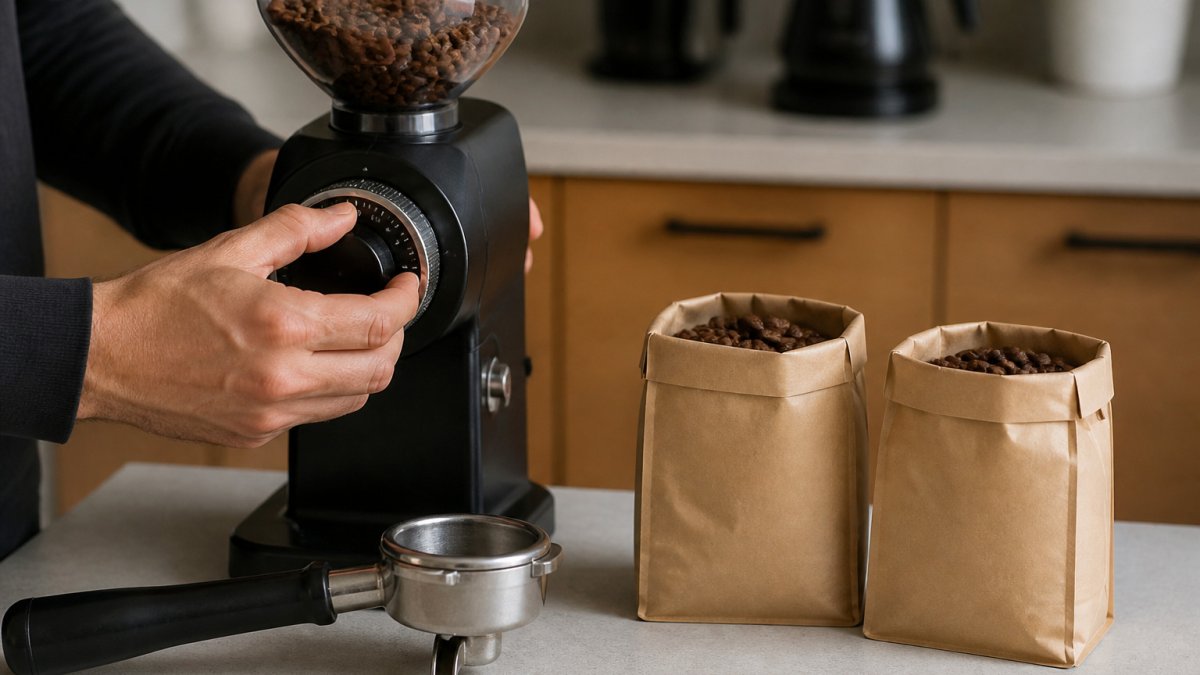
Choosing the Best Coffee Beans for Espresso Shots and Milk Drinks
A Guatemala lot is described as having dark chocolate, bright fruit, and butterscotch notes; Bali Blue is described with dark chocolate, molasses, and brown sugar.
Match the bean to the drink:
- Black espresso: a single origin such as Guatemala or Bali Blue
- Cappuccino or flat white: a sweet, chocolate-forward blend such as Blonde
- Latte or milk-heavy drinks: a darker espresso blend such as 6 Bean Blend or African Espresso
- Daily, consistent shots: a medium-dark blend such as African Espresso
Coffee choice is personal, and the best bean is the one you enjoy most in your own machine.
The article matches each bean style to a drink type, summarised below.
| Drink | Suggested bean | Key note |
|---|---|---|
| Black espresso | Guatemala or Bali Blue (single origin) | Single origin highlights one origin's flavor |
| Cappuccino or flat white | Blonde (blend) | Sweet, chocolate-forward blend |
| Latte or milk-heavy drinks | 6 Bean Blend or African Espresso (blend) | Darker espresso blend |
| Daily, consistent shots | African Espresso (blend) | Medium-dark blend |
Picking Your First Single-Origin or Blend Bag From theITDGroup
Our 6 Bean Blend is described as a dark roast and as great for espresso. Guatemala is a single origin.
Compare flavor notes, roast level, and how you plan to drink your shots before you choose. Our Specialty Coffee Association brewing resources can help you learn the variables that matter most.
Explore the lineup at theITDGroup LLC. Browse our 6 Bean Blend, described as a dark roast and great for espresso, or try Guatemala, a medium-roast single origin with dark chocolate, bright fruit, and butterscotch tasting notes. Our African Espresso is a medium/dark blend from Kenya, Tanzania, and Ethiopia, and Blonde is a sweet blend from Central America and Africa.


Frequently Asked Questions
Are single-origin coffees better for espresso?
Not automatically. Guatemala is described with dark chocolate, bright fruit, and butterscotch notes; Bali Blue is described with dark chocolate, molasses, and brown sugar. Choose based on which product description appeals to you.
What is the difference between a single-origin coffee and an espresso blend?
A single-origin coffee comes from one farm, region, or country. An espresso blend combines beans from multiple origins. For example, the 6 Bean Blend and African Espresso are blends, while Bali Blue and Guatemala are single origins.
Which is easier to dial in for espresso: a blend or a single origin?
Blends are generally easier to dial in because their component beans are balanced to behave consistently across a range of grind sizes and doses. Single origins often need more adjustment, since their acidity and fruit notes can shift noticeably with a small change in grind or brew time. Start with a standard recipe of roughly 18 grams in and 36 grams out over 25 to 30 seconds, then adjust the grind finer or coarser until the shot tastes sweet and balanced rather than sour or bitter.
Is single-origin coffee more expensive than a blend?
Not necessarily. At theITDGroup, the 6 Bean Blend, African Espresso, and Blonde, along with the single-origin Bali Blue and Guatemala, are all priced at $23.99 per bag. Check the tasting notes on each product page before you decide.